Two years ago the Millfields park community helped ecoACTIVE plant 5000 bluebells in a native tree biome created by The Tree Musketeers. Children from Mandeville School and Forest Grove nursery children joined young refugees, Millfields User Group and Hackney Buzzline volunteers to put bulbs in the ground.
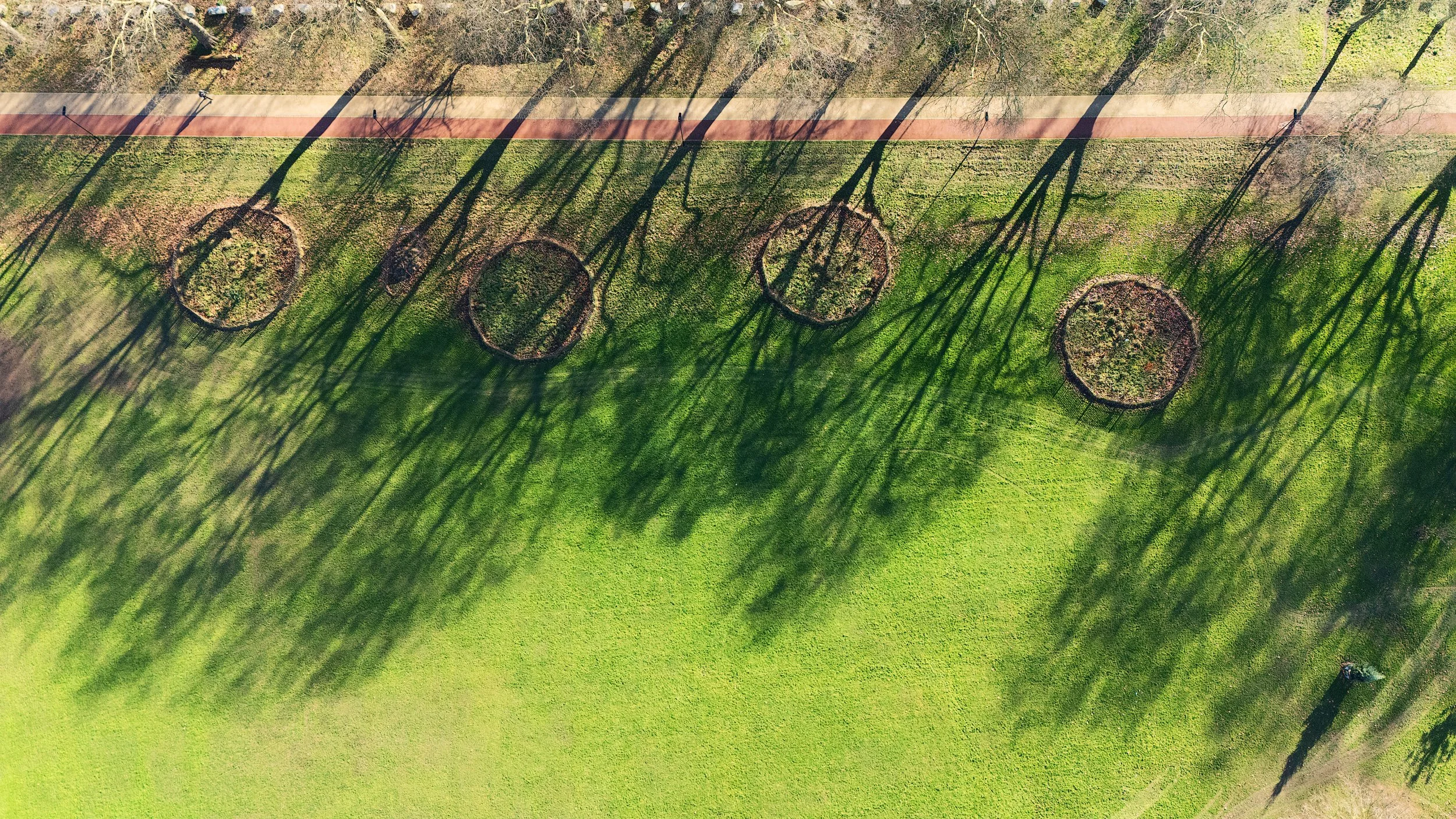
Millfields Park Biomes
This spring, thanks to their efforts, a carpet of native English bluebells is blooming beneath the copse of mixed native trees.
You may be surprised to hear that bluebells are not a top nectar plant for foraging bees. However, during a recent monitoring survey, our community ecologist Gerry noticed something intriguing. While only a few bees were visiting bluebell flowers, he saw dozens of bees flying busily around the bluebell patch. What were they doing?
On closer inspection, he found that most of the bees belonged to one of two species - Ashy mining bees and Orange-tailed mining bees. They’d arrived during a brief sunny spell in mid-afternoon, filling the copse with buzzing activity and mating behaviour. Just an hour before, things had been quiet. An hour later, much of the bee activity had died down.
These solitary bees were not using the English bluebells primarily as a food source. Instead, it looks like the residents’ planting had achieved something just as important: helping create ideal conditions for nesting and mating.
Mining bees nest underground and depend on suitable ground conditions — warm, sheltered, lightly vegetated soil with a mosaic of fallen leaves, long grass, and open patches. The bluebell planting seems to be shaping exactly this kind of woodland-floor microhabitat. In other words, they’re acting less as a feeding station and more as ecosystem engineers - supporting the wider ecological conditions bees need to reproduce successfully.
We know that good pollinator habitat is about more than flowers alone. For bees, safe nesting places are just as critical as nectar and pollen. On the Hackney Buzzline we take a ‘bed and breakfast’ approach to pollinator conservation.
And it’s not just bees that benefit from bluebells. We all love them. Native bluebells are one of Britain’s most cherished wildflowers, symbolic with spring woodlands and seasonal renewal. In Hackney’s parks, they create moments of delight, drawing visitors into our green spaces and drawing beauty from biodiversity. They help us to connect emotionally with nature.
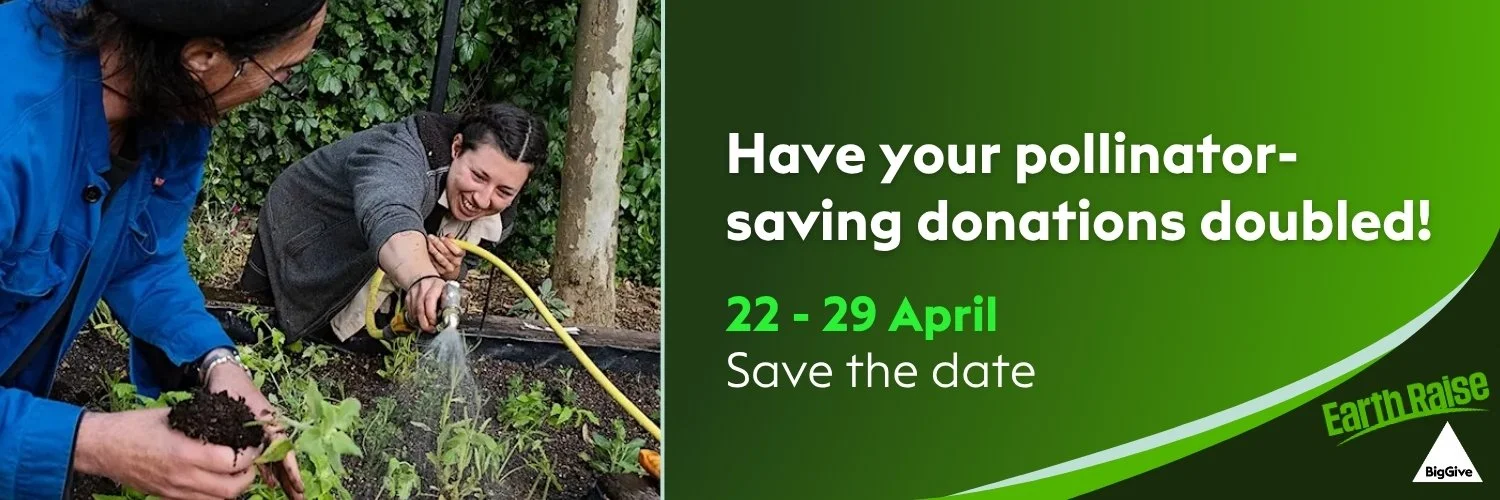
Nature connection is central to the ecoACTIVE vision. We’re creating a journey which helps people and pollinators thrive together. And we’re now raising funds for a new community bursary scheme to do this. The bursary will give Hackney residents the plants, seeds, bee hotels and training they need to create pollinator habitats where they live, learn and play. Every donation to ecoACTIVE will be matched pound for pound through Big Give’s Earth Raise campaign. That means £25 becomes £50. £50 becomes £100.
The crowdfunder runs from midday on Tuesday 22 April – Earth Day and runs for just one week until 29 April. Please support this important work.