
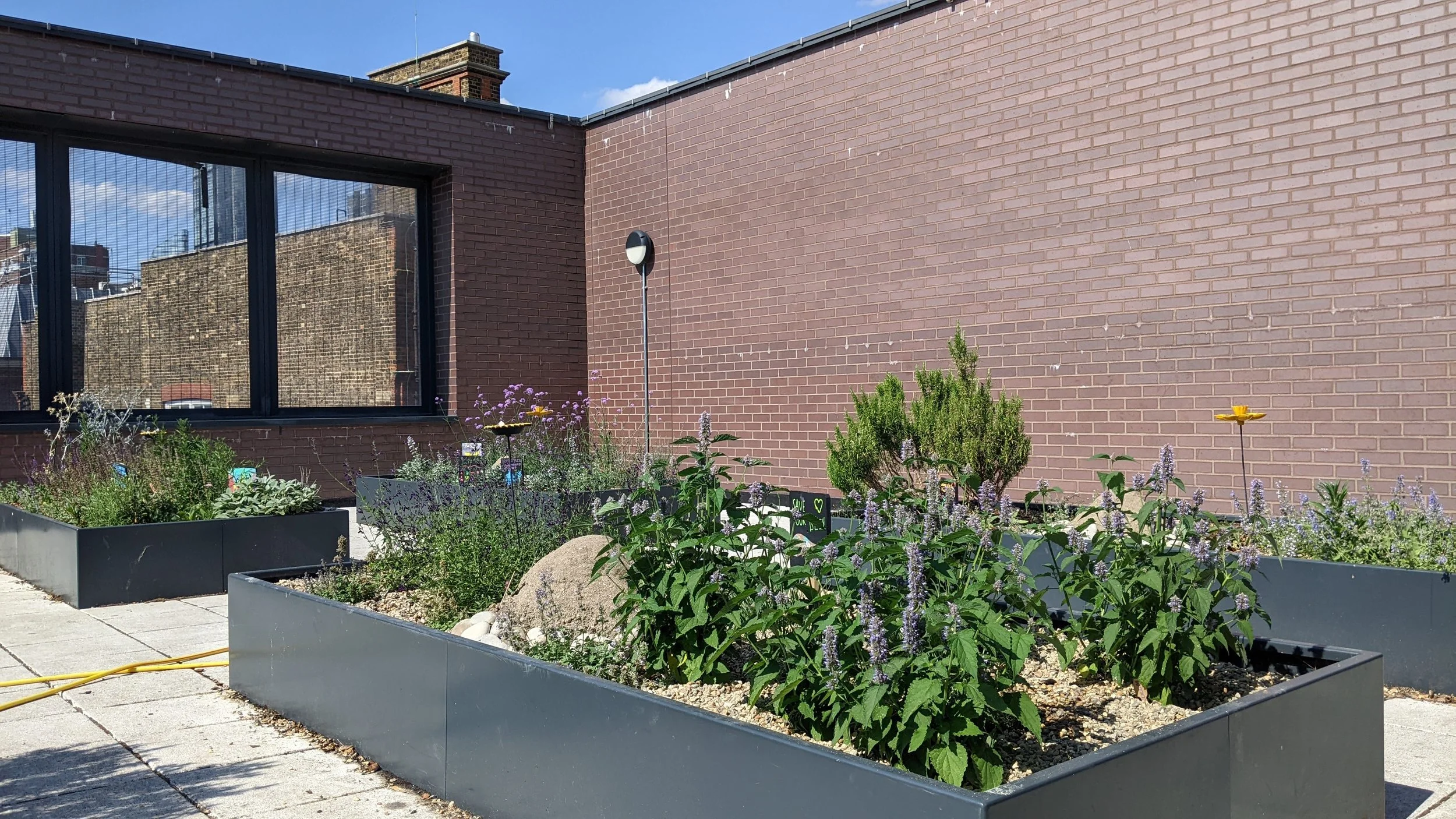
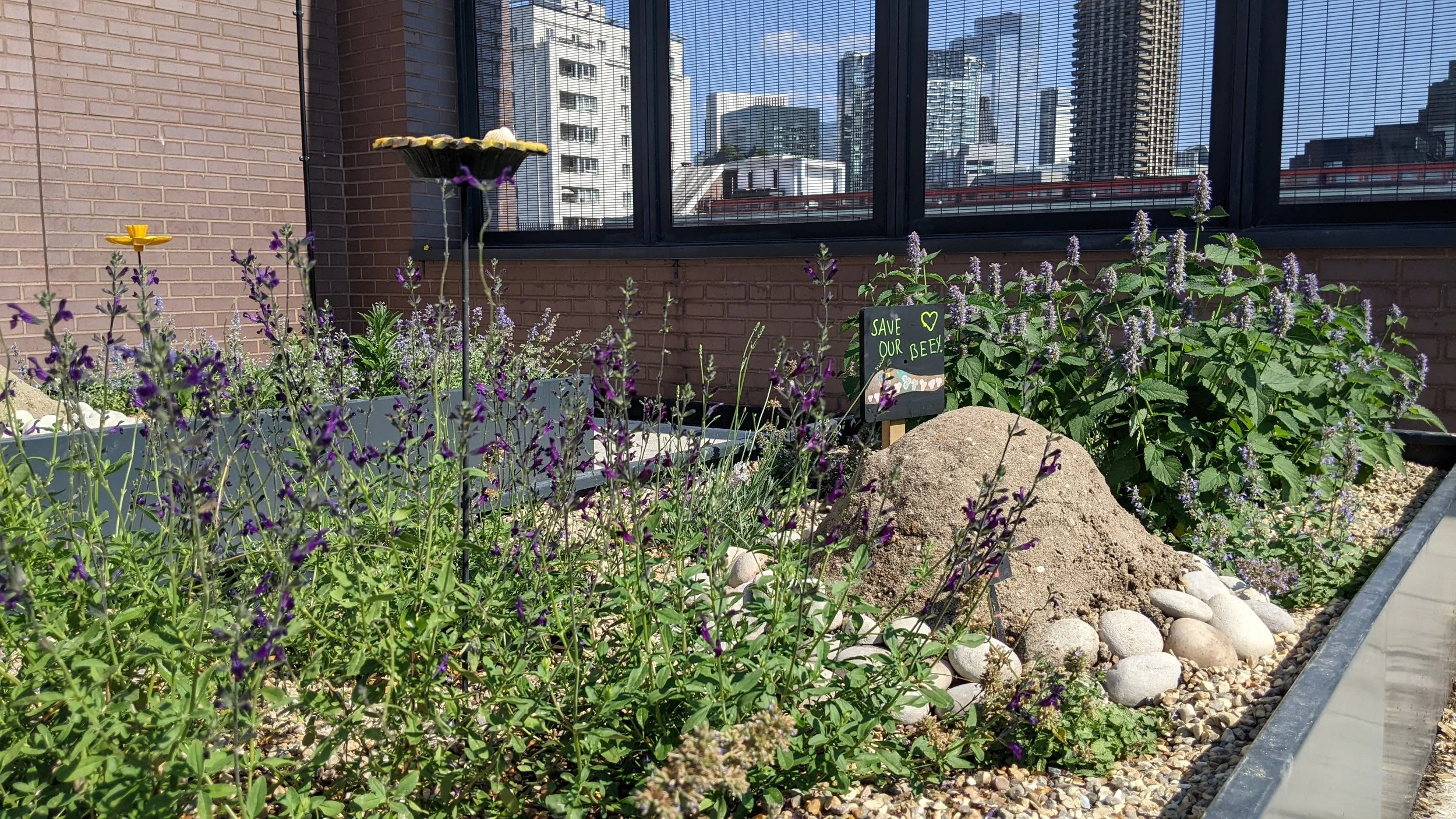
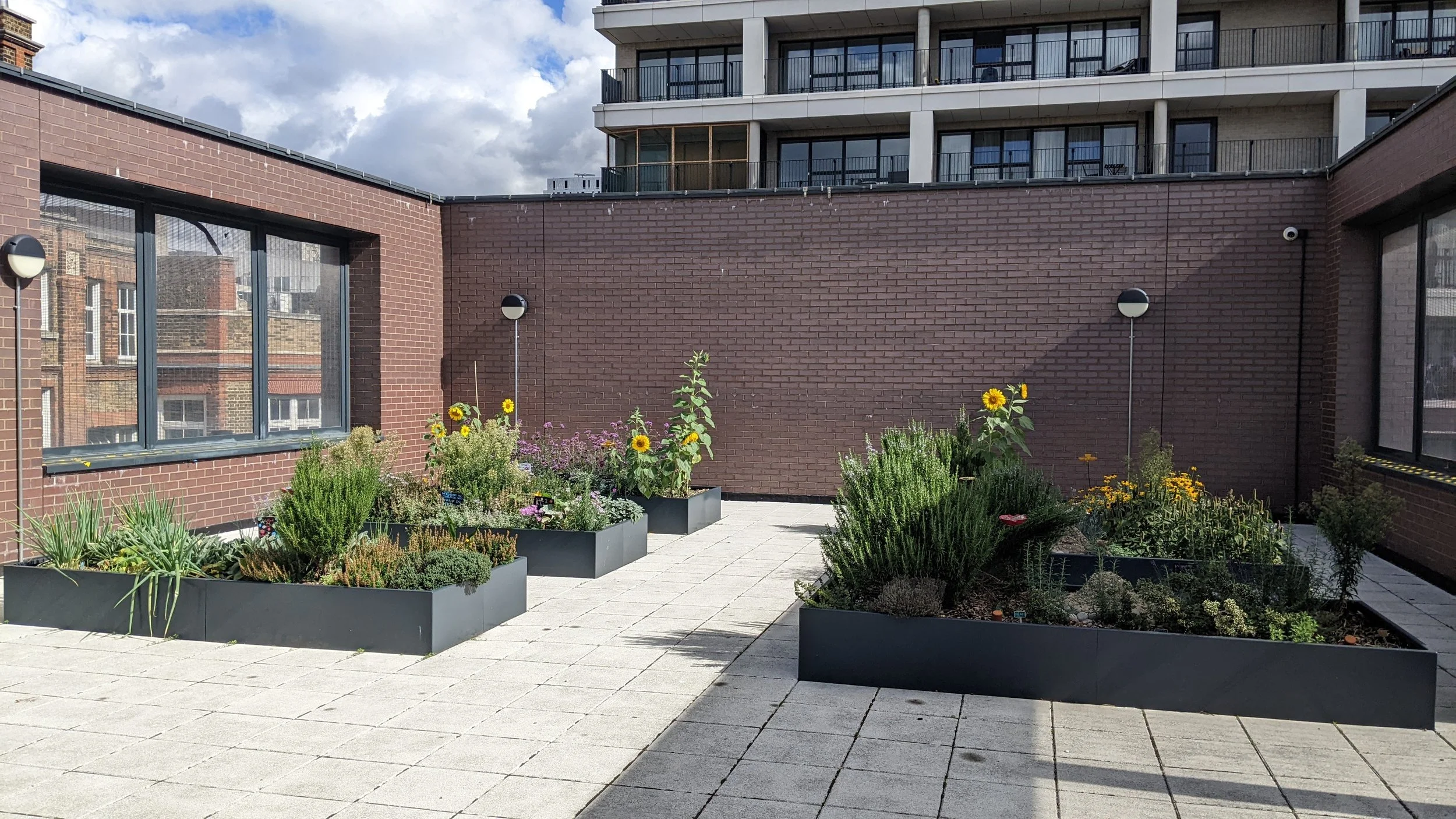
High above the bustling streets of London, something wonderful has taken root. On the rooftop play area of the City of London Primary Academy (COLPAI), a disused space has been transformed into a vibrant, resilient, and buzzing haven for nature: a true "sky garden."
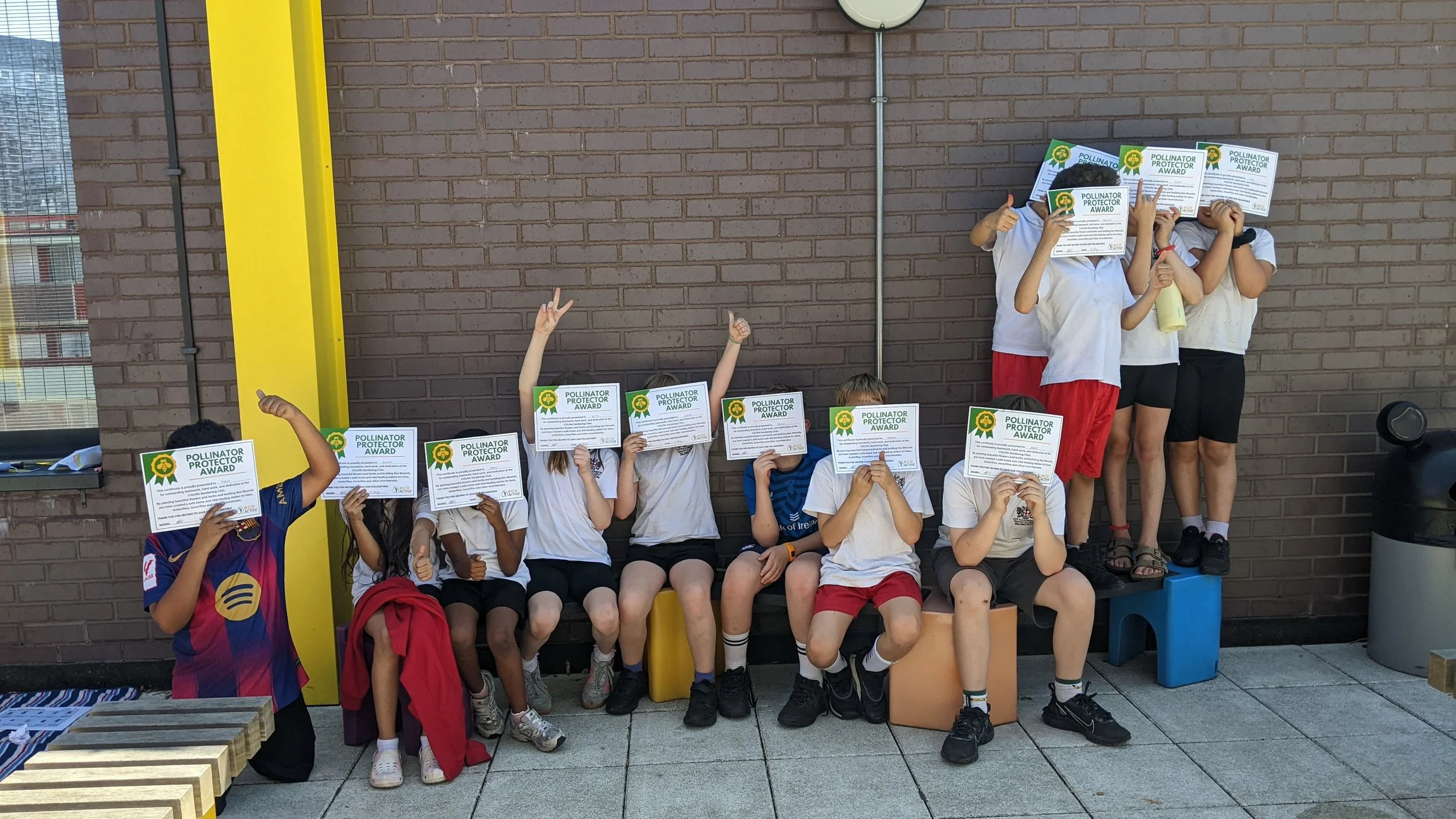
Led by Steph Miller the project has brought together enthusiastic Year 4 to 6 students and corporate volunteers from Winston Taylor to worki in tandem to create a vital stop along the Clerkenwell Pollinator Path.
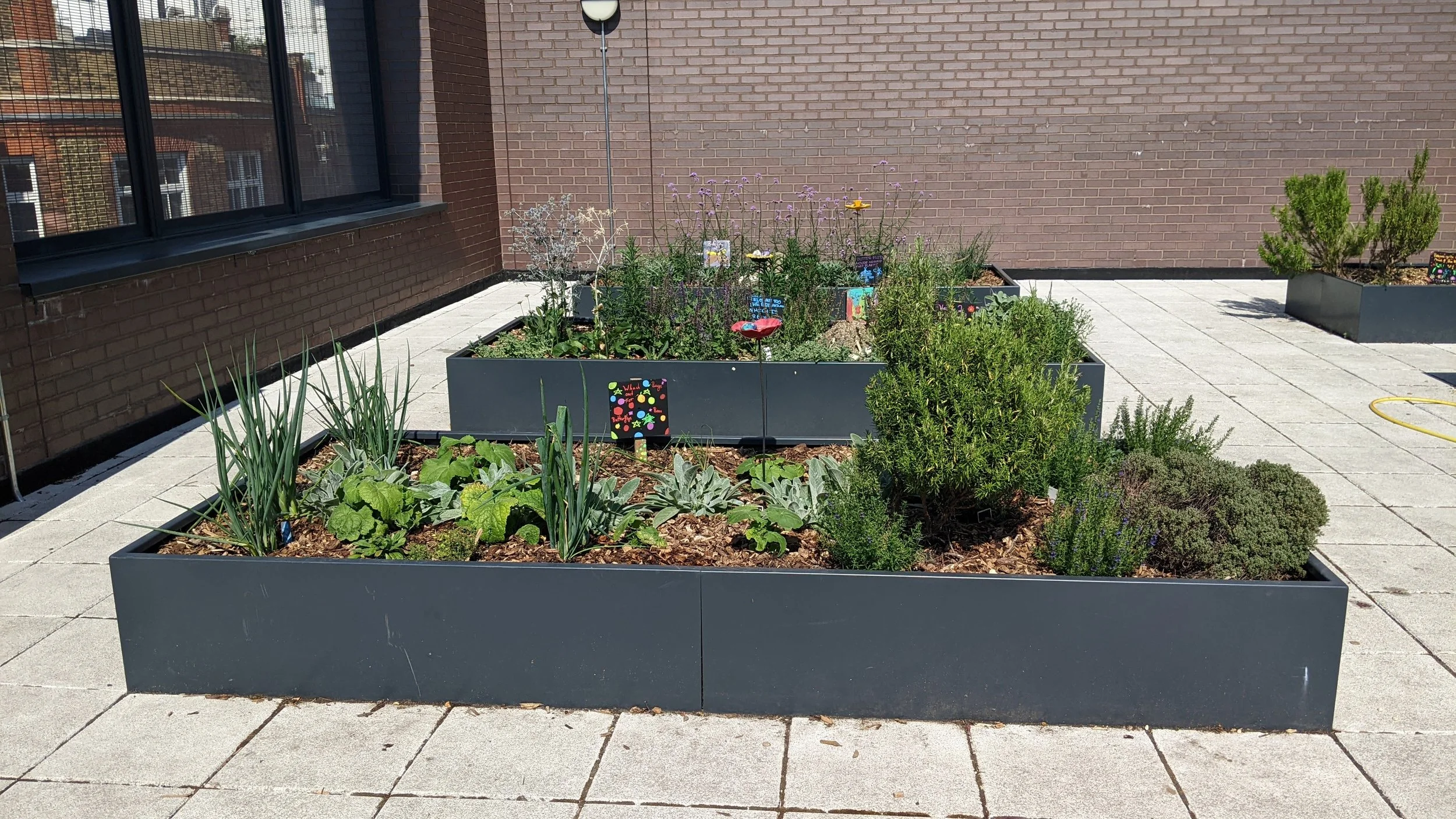
Turning Disused Planters into a Pollinator Pit Stop
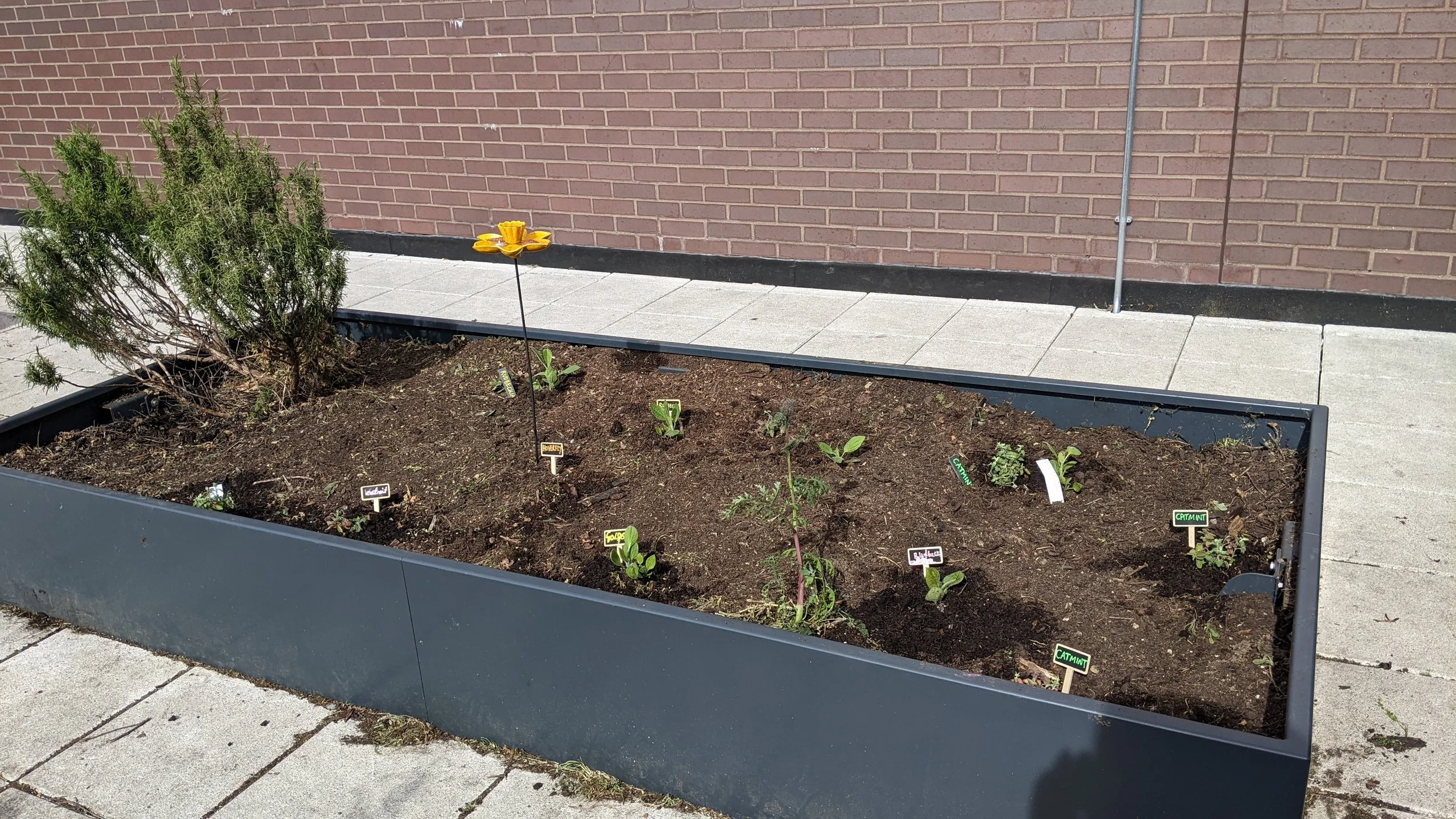
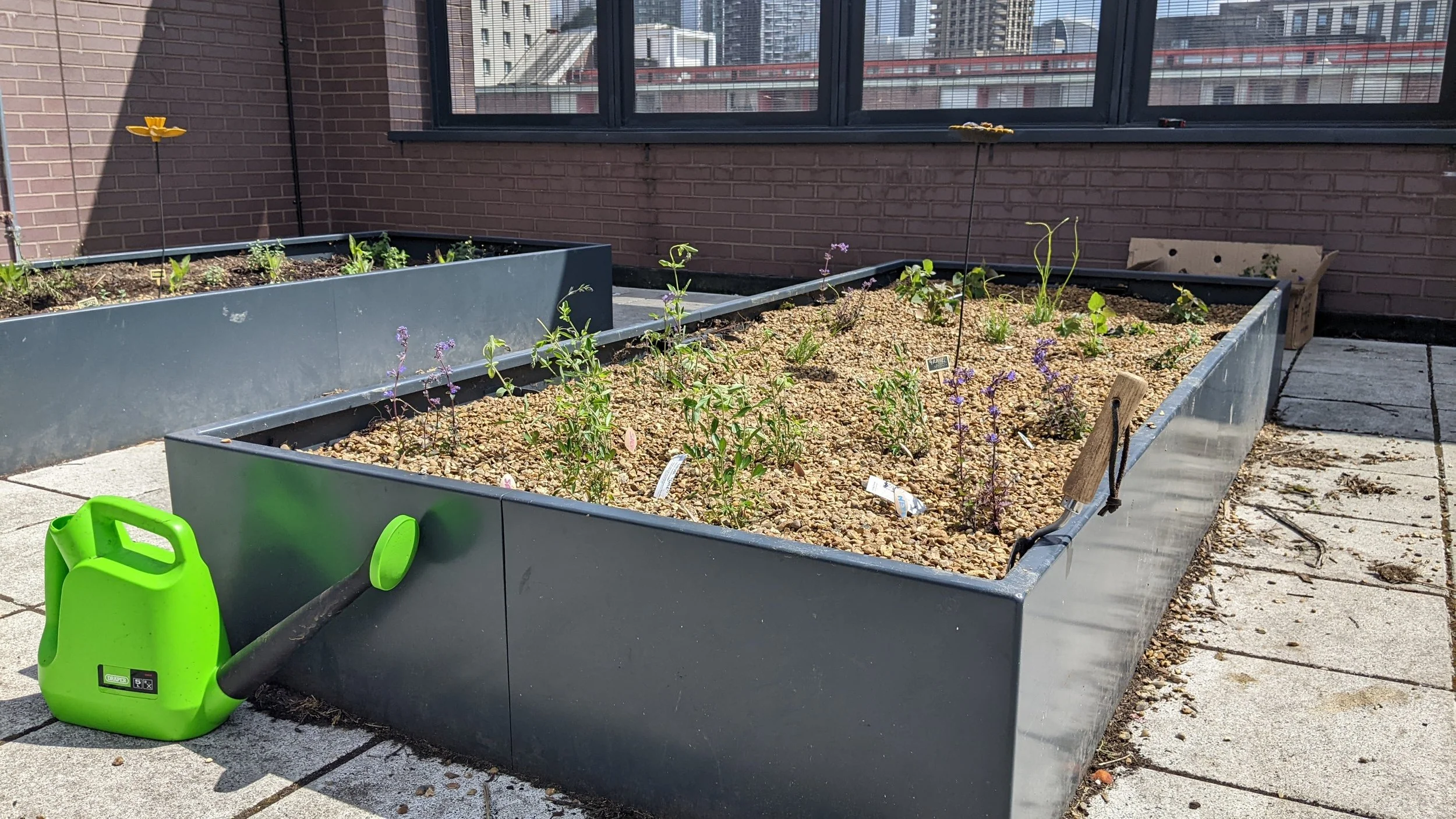
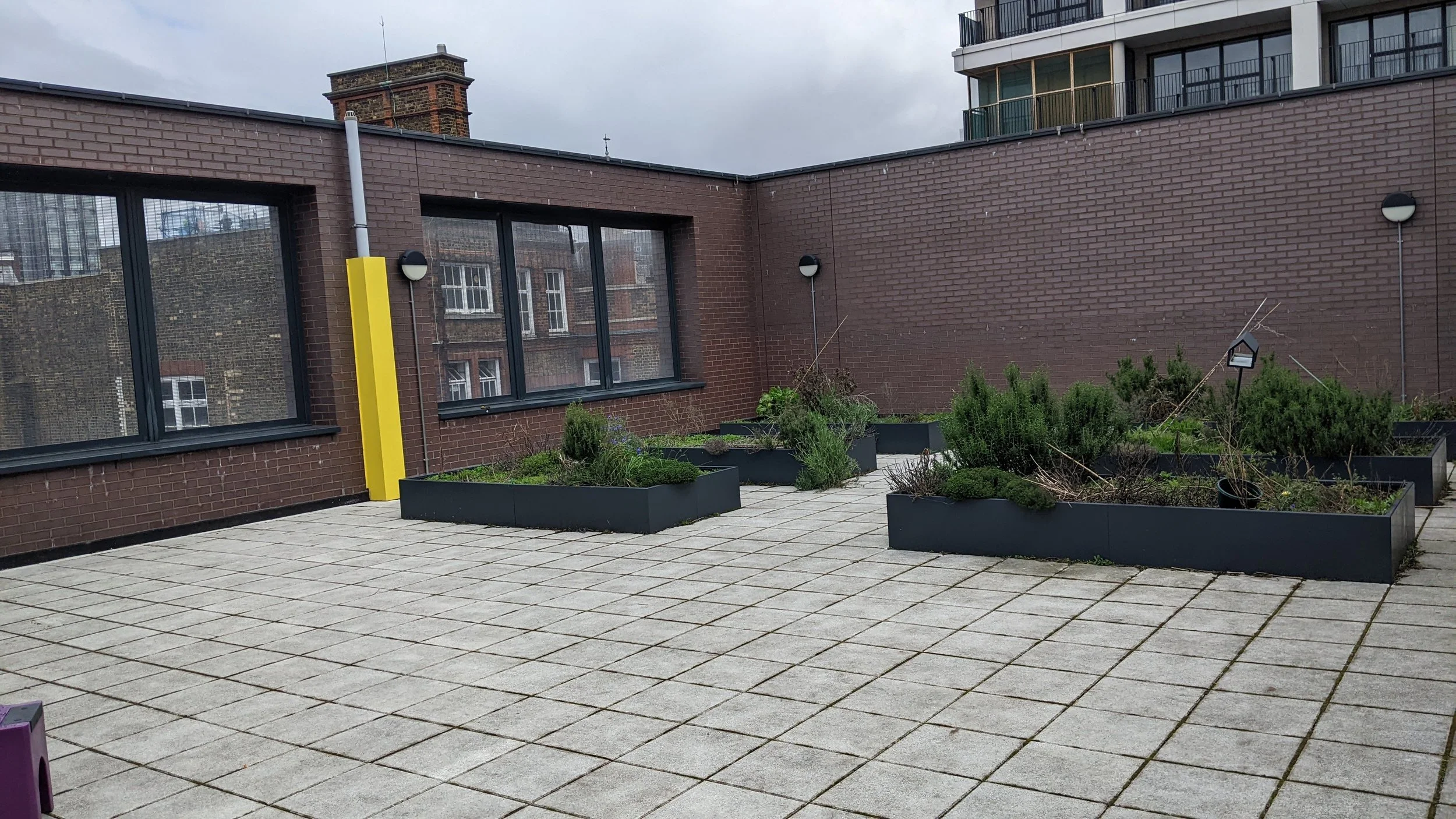
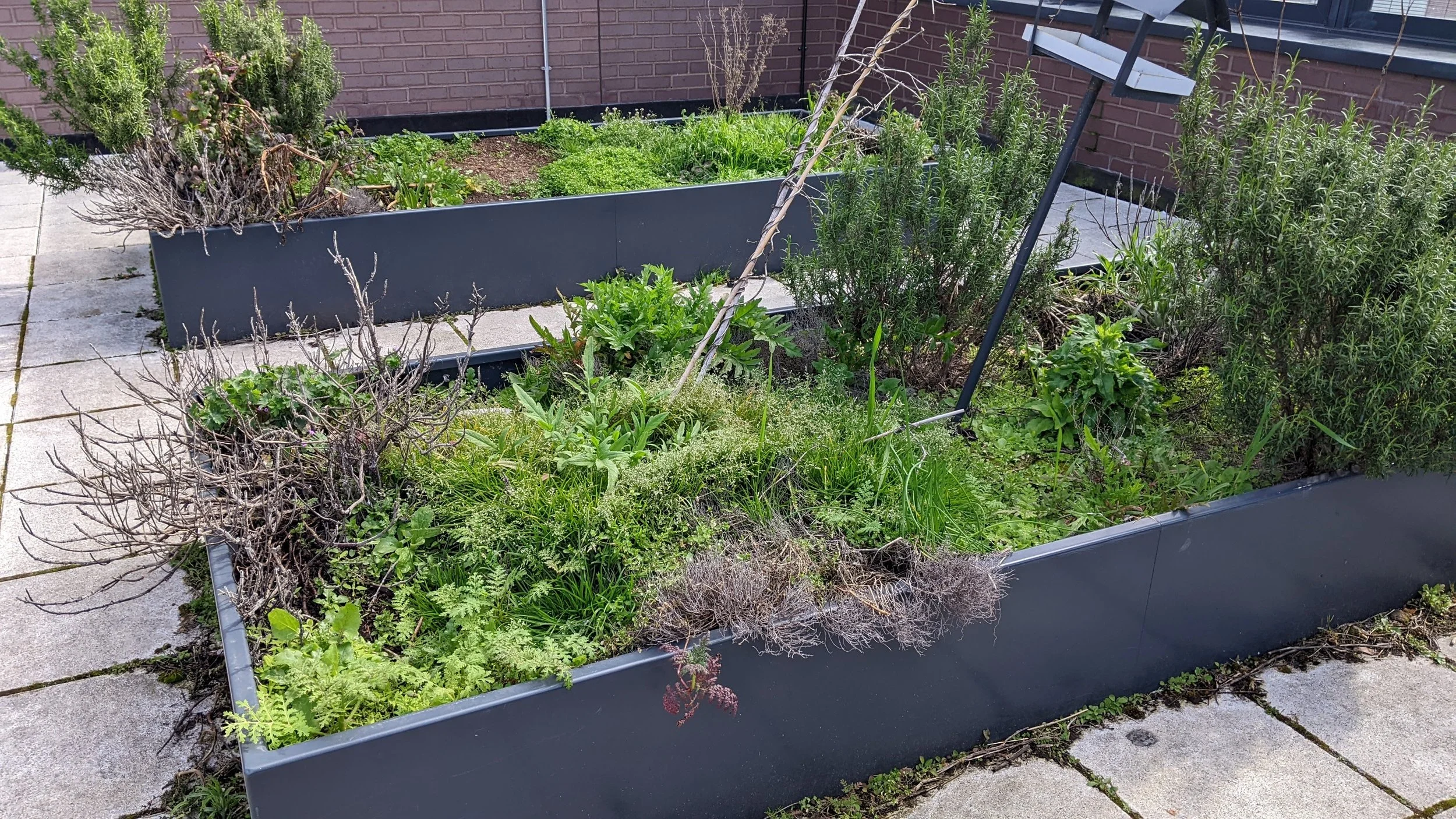
Before the project began, the school’s rooftop held six large, unused vegetable planters sitting exposed to London’s elements, sunny, windy, and cold in equal measure.
With guidance from ecoACTIVE and the hands-on support of volunteers from Winston Taylor (who stepped in to support local biodiversity as part of their environmental commitment), the students got to work. They cleared out unwanted plants, prepped the soil, and carefully selected targeted plant species designed to attract local wildlife
"We've been transforming some planters up here on their very beautiful rooftop garden into a pollinator pit stop along the Clerkenwell Pollinator Path, connecting pollinator gardens across the area."
— Steph Miller, Project Lead and Clerkenwell Postcode Gardener
Six Planters, Six Ecosystems
Each of the six planters was thoughtfully themed to cater to specific pollinators while keeping the learning experience interactive and sensory for the children:
The Sensory Bed: Filled with aromatic, tactile plants like Lamb’s Ear (Stachys byzantina). Not only do the soft, furry leaves delight the children, but they also serve a special ecological purpose: Wool Carder bees scrape the tiny fluff off the leaves to line their nests!
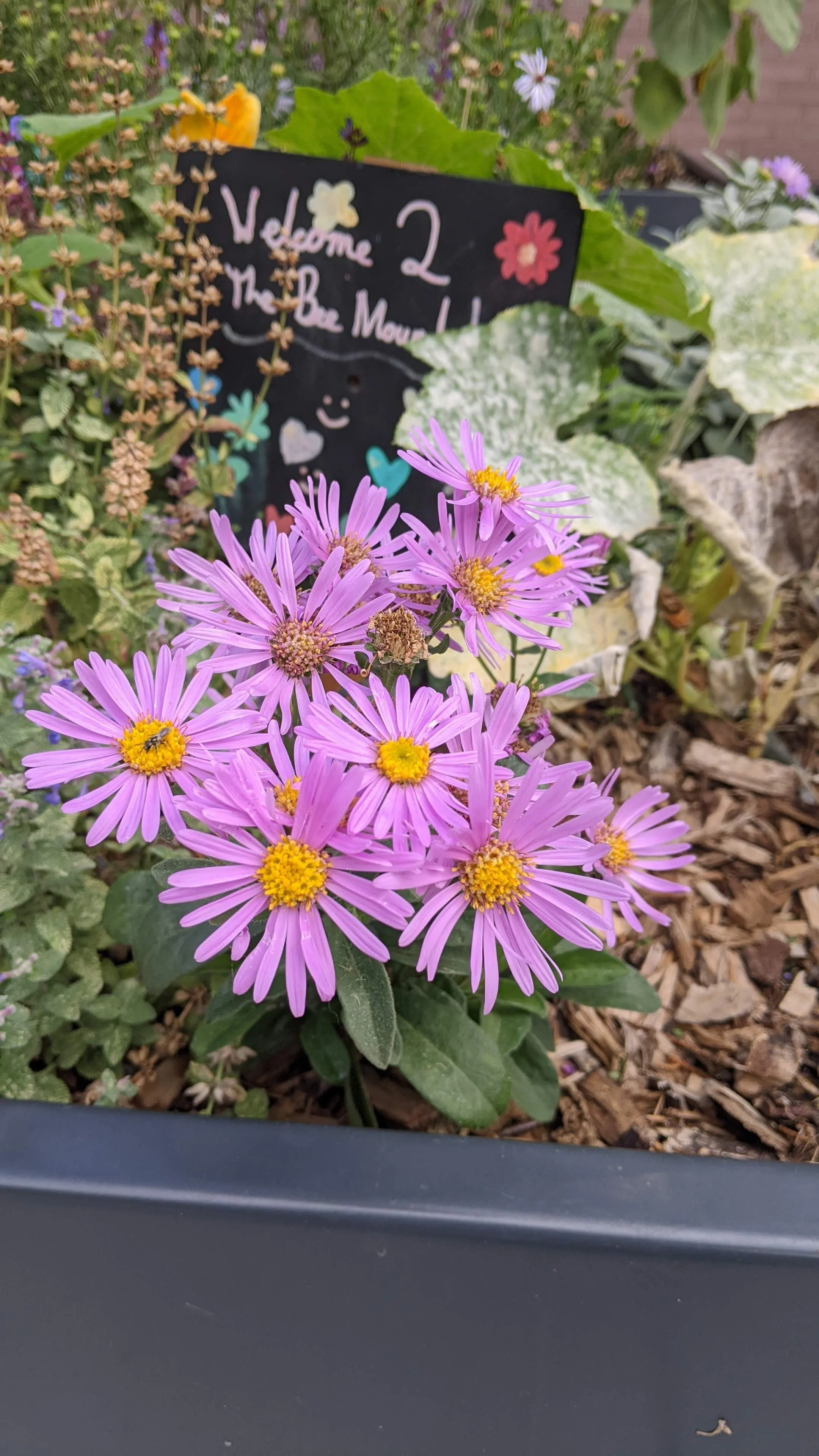
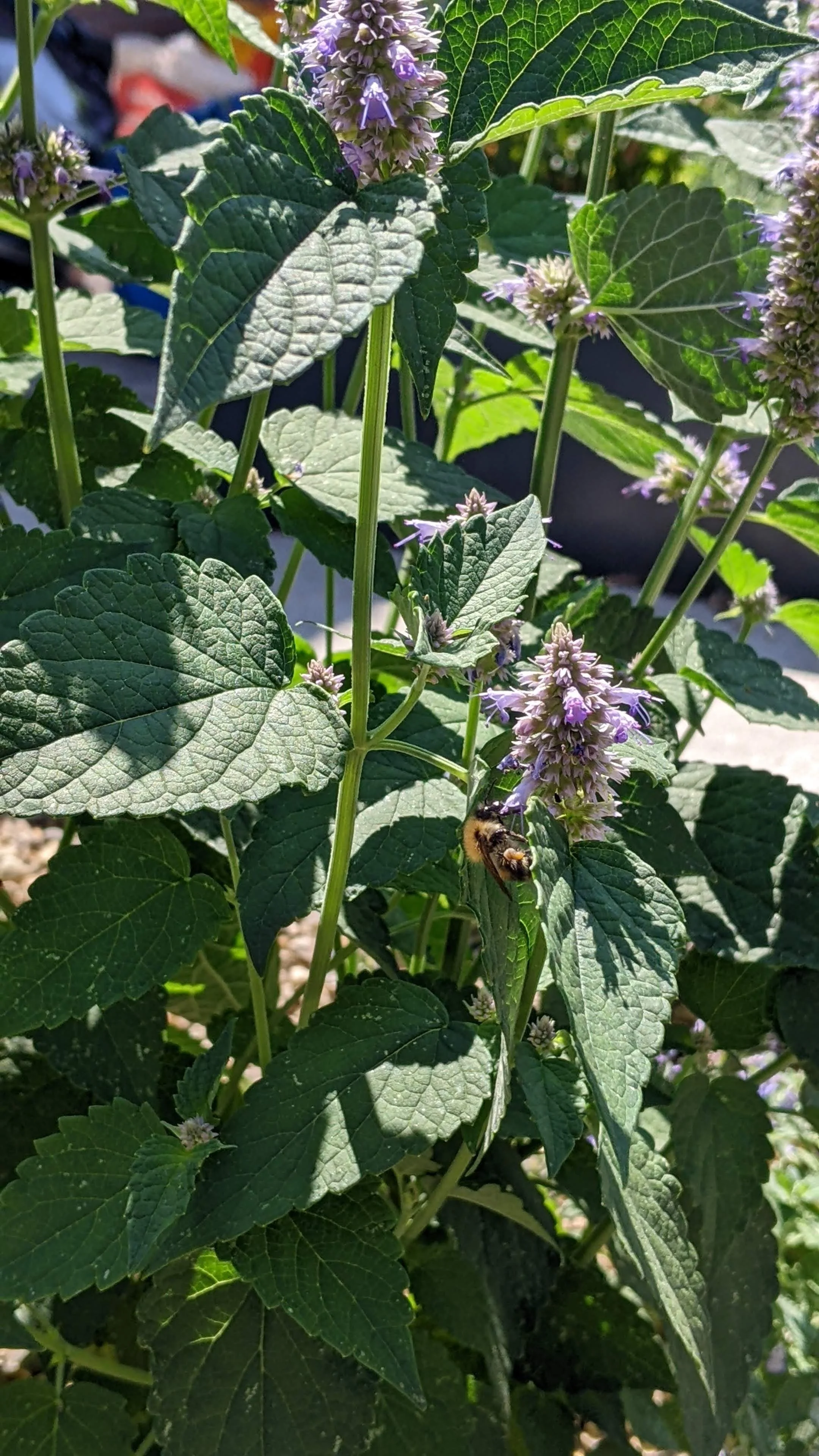
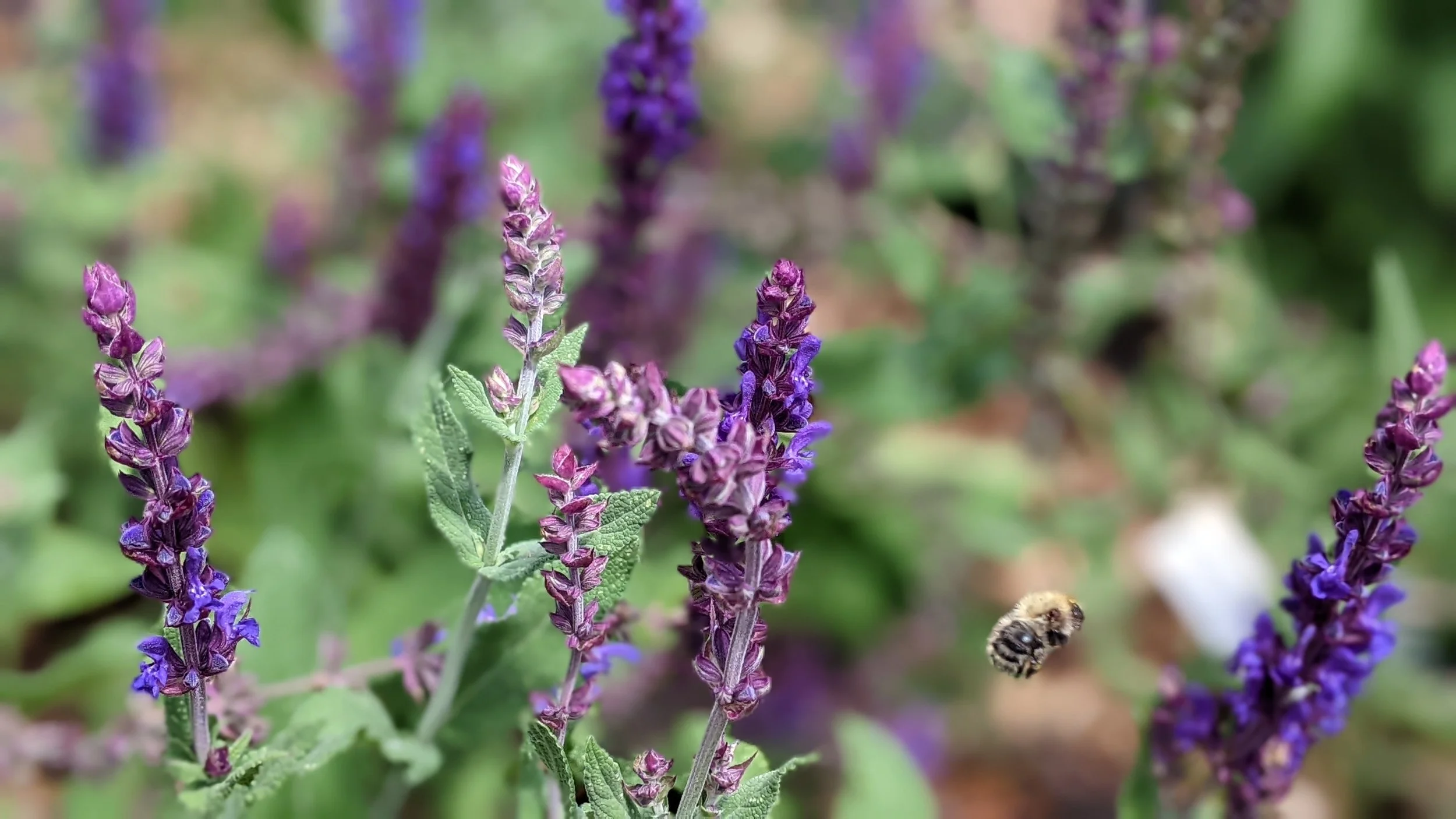
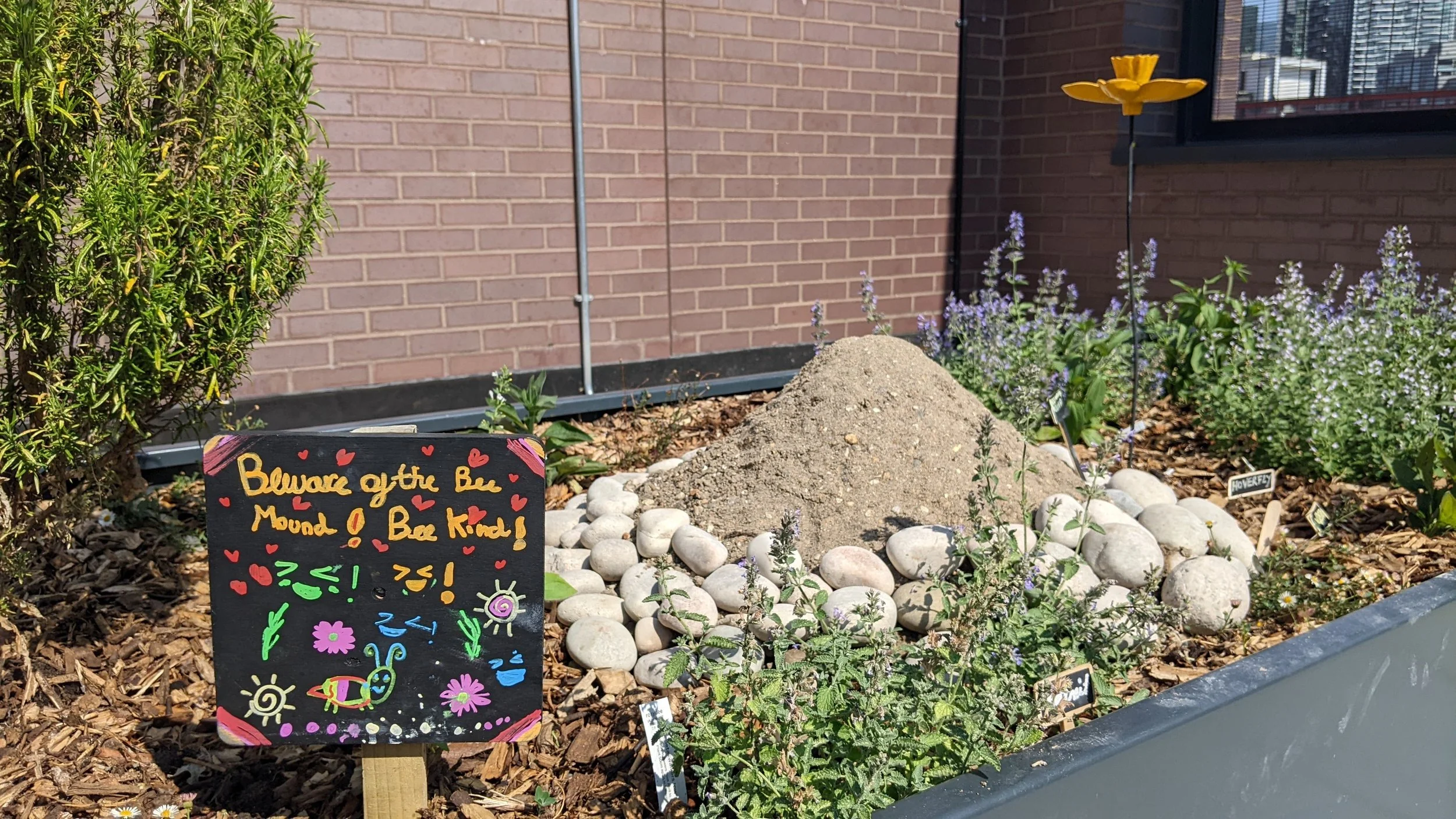
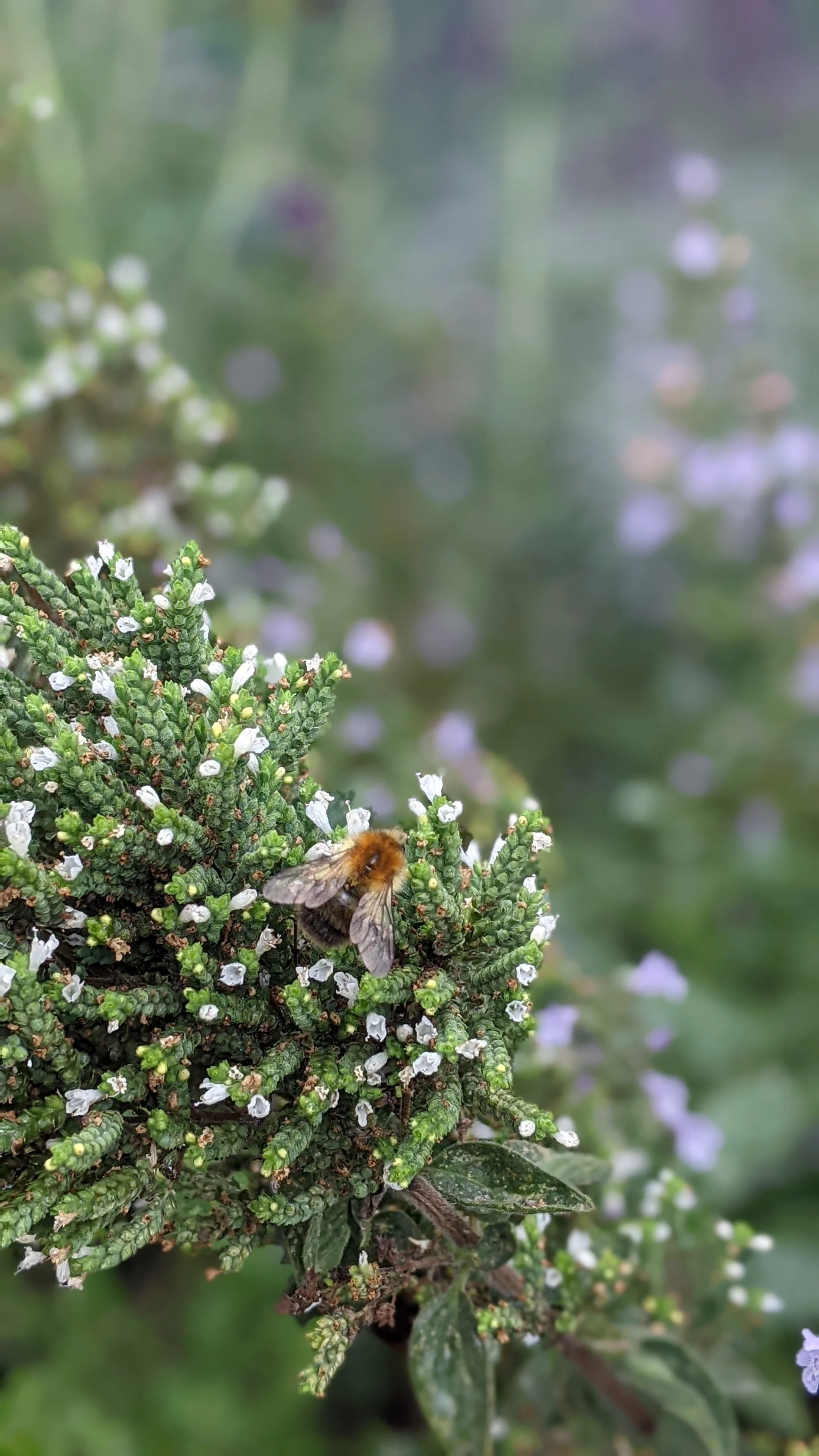
The Bee Bed & Bee Mound: Packed with blue and purple blooms, the colours bees love most. Right alongside it sits a hand-built soil mound tailored for solitary mining bees, keeping their nesting site right next to their food source.
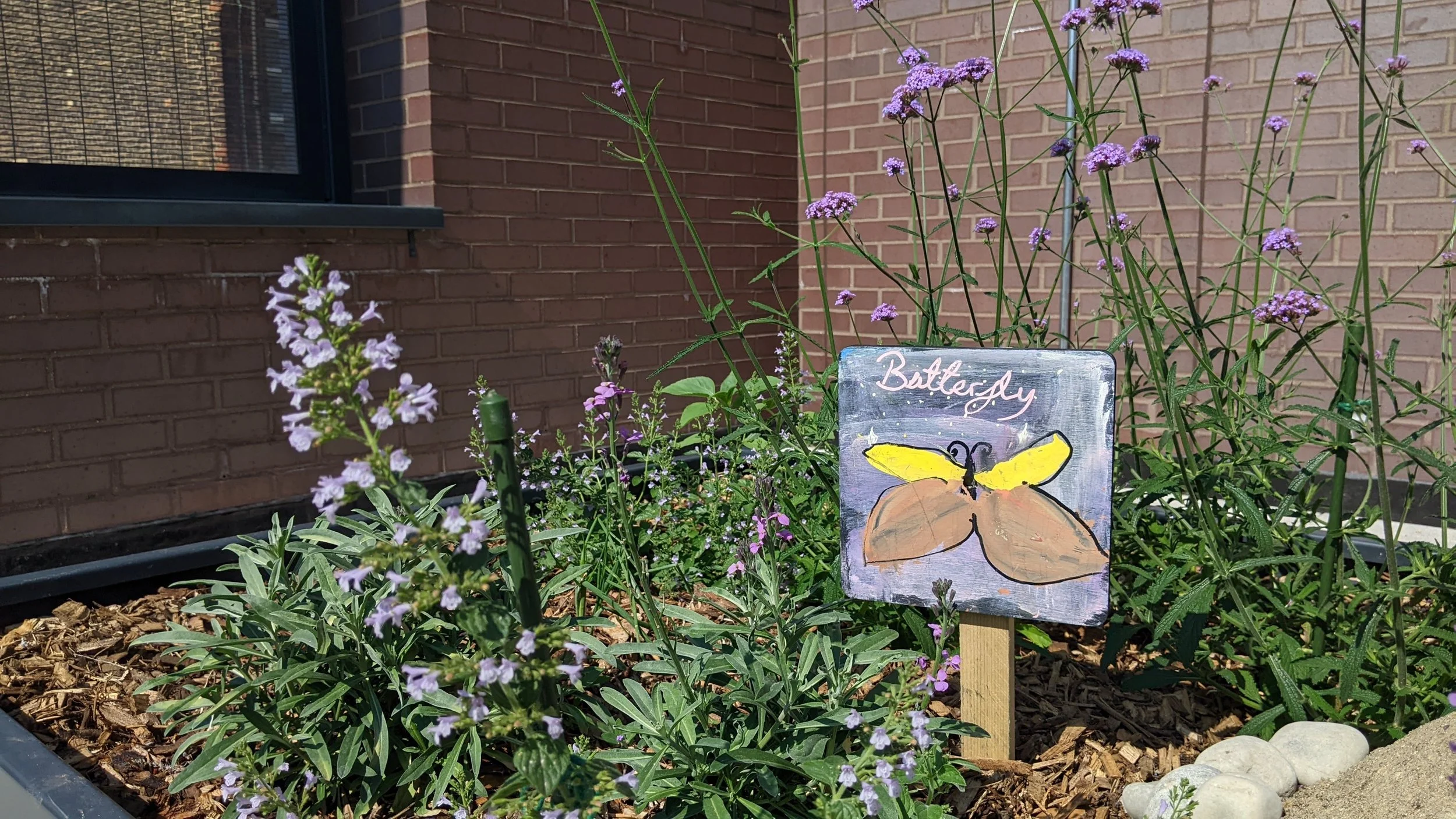
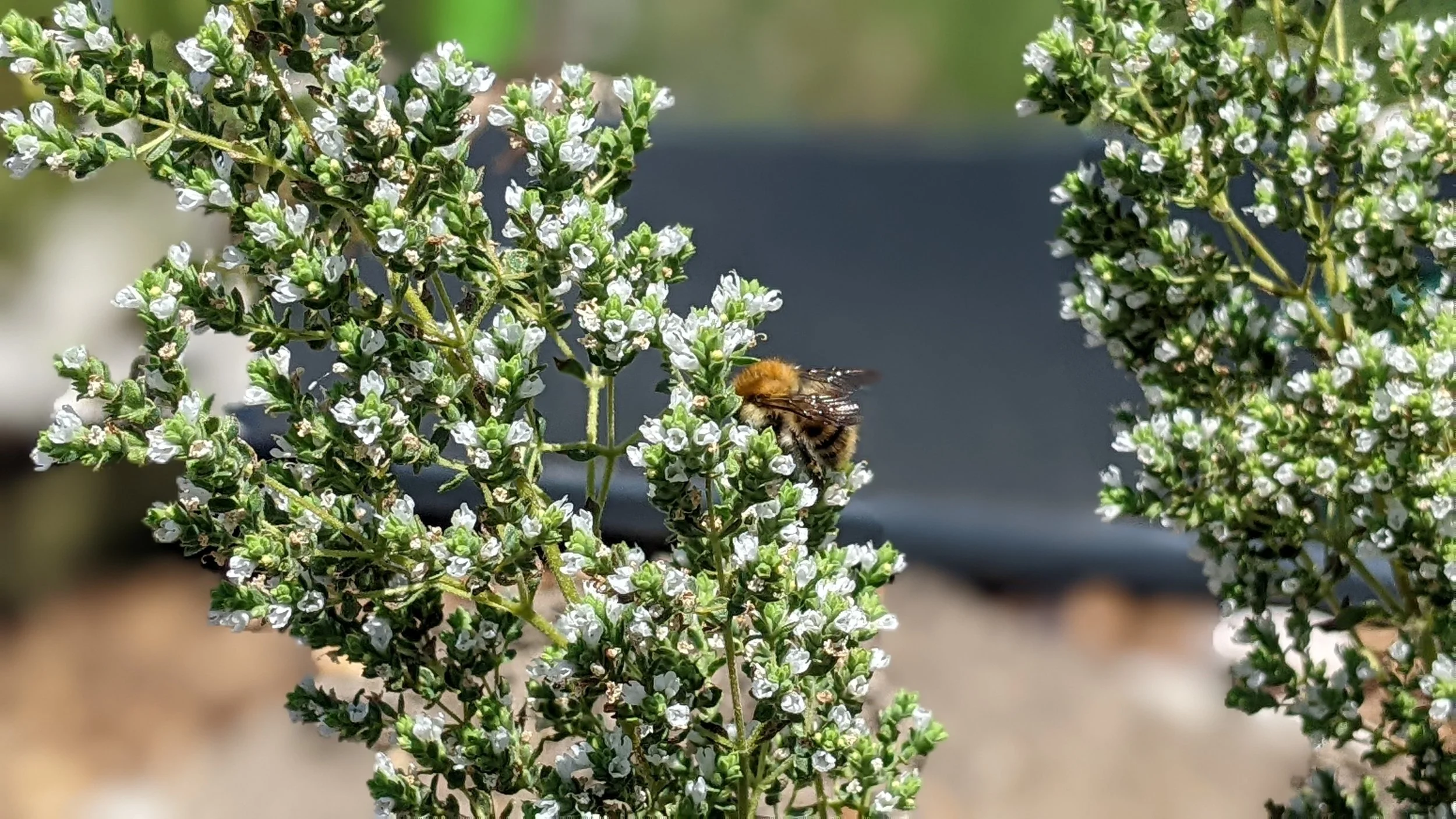
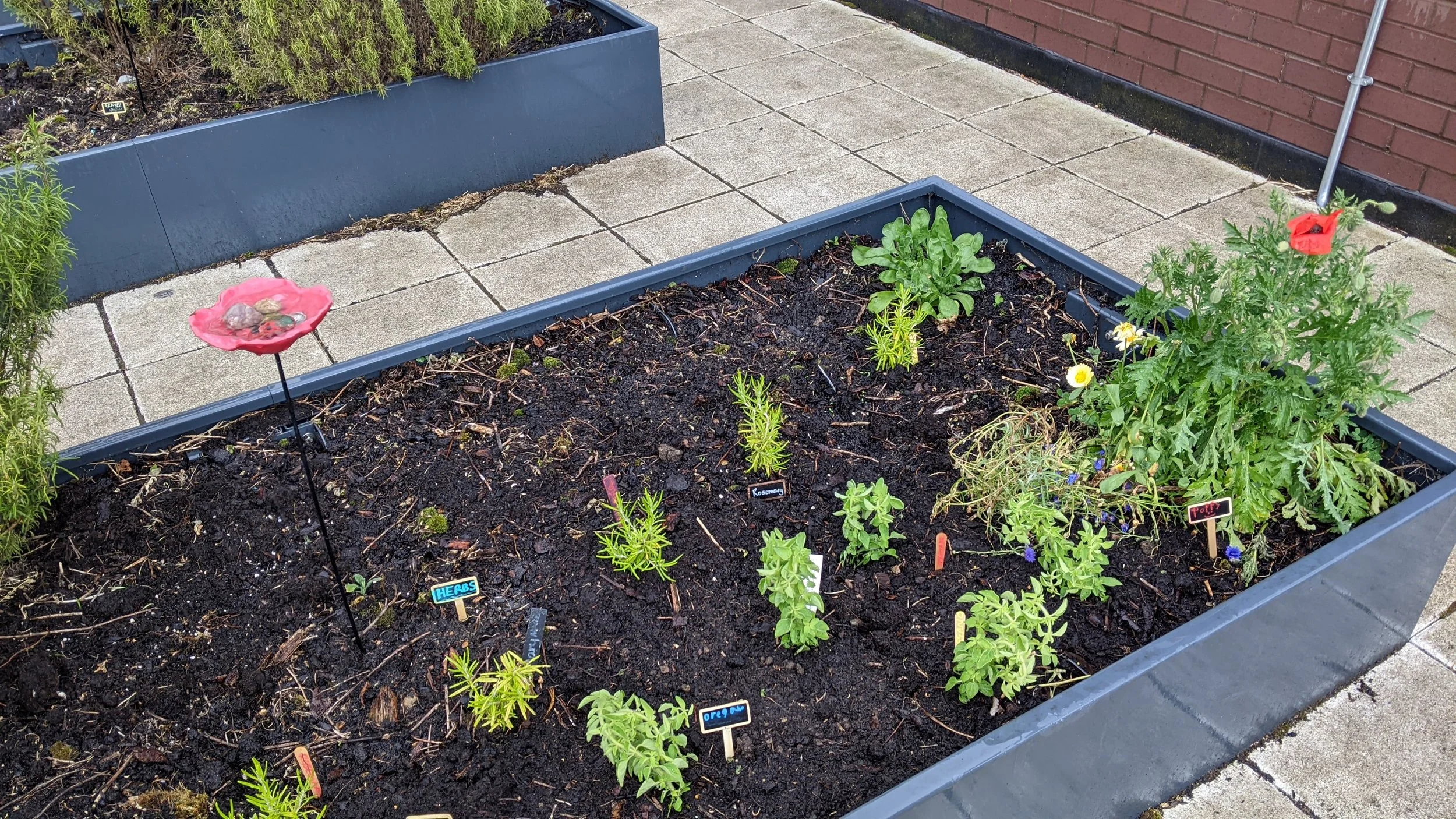
The Butterfly & Moth Bed: Planted with herbs like oregano and flowering thyme to attract native butterflies like Commas, alongside striking species like the Mint Moth.
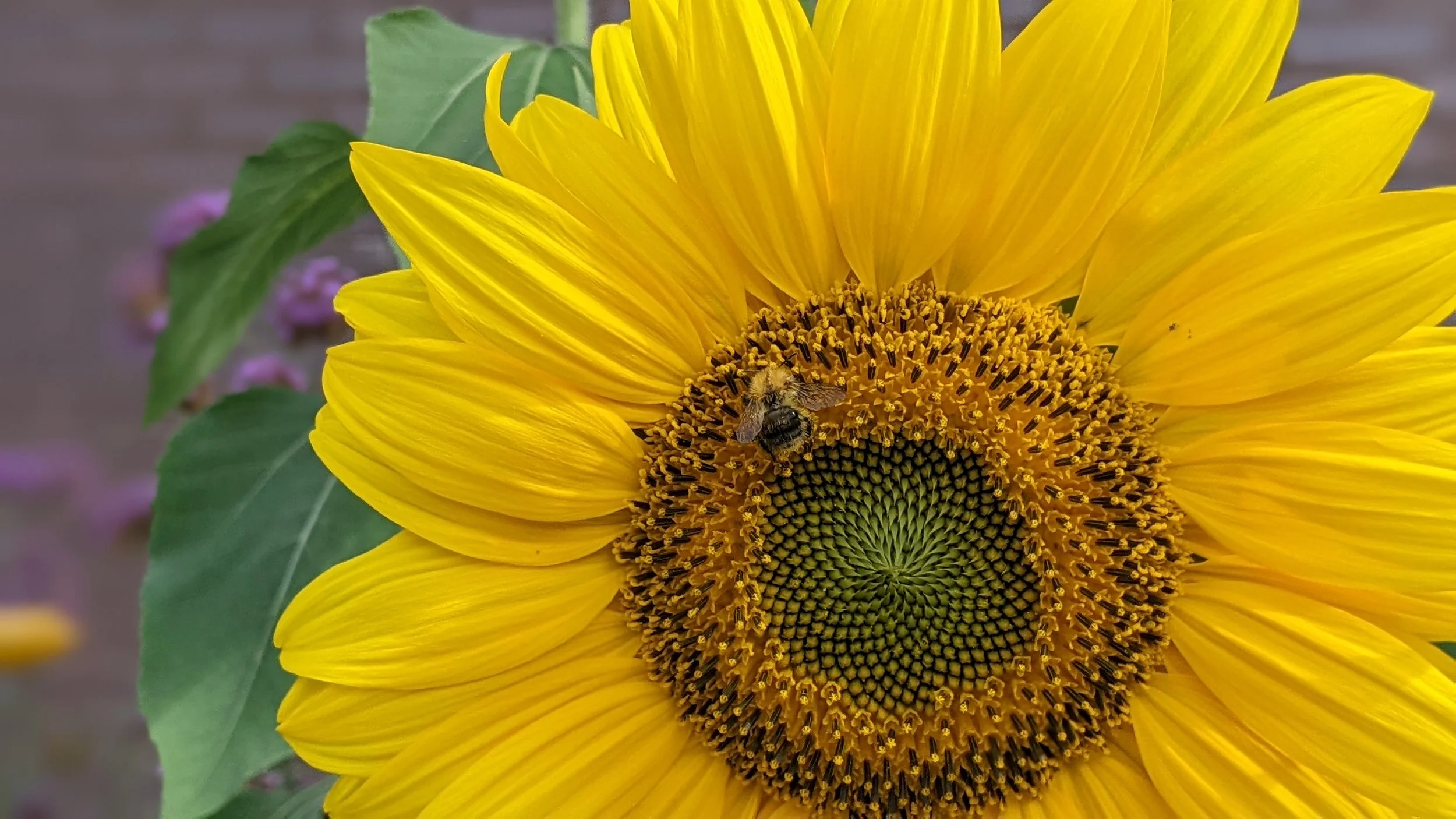
The Hoverfly Bed: Packed with bright yellow blooms like Rudbeckia and open daisy-like flowers such as Mexican Fleabane (Erigeron karvinskianus). It’s also helped clear up a common misconception: teaching students that hoverflies' yellow-and-black stripes are just a clever harmless disguise!
The Experimental Gravel Bed: Designed to future-proof the garden against climate change and water shortages. Finished with a heavy layer of gravel and drought-resistant plants, this bed tests how well hardy flora can thrive with minimal watering in an exposed urban setting.
The Herb Bed: A fragrant space filled with lavender, rosemary, thyme, and oregano, created just as much for human enjoyment as for the insects.
Perseverance, Learning, and Boundless Energy
Through scorching hot afternoons, gusty winds, and rainy days, the students’ enthusiasm never wavered. Watching their confidence grow as they learned seed-saving, taking cuttings, mulching, and monitoring visiting insects has been one of the most rewarding aspects of the project.
For the Winston Taylor corporate volunteers, who joined weekly during their lunch hours, working alongside the children was just as impactful:
"I've never seen so many people so enthusiastic about weeding and finding the little tiny bugs as we've been digging and planting... That's the thing that's really brought a lot of pleasure to the volunteering team.
— Winston Taylor Volunteer
In Their Own Words: What the Students Say
The true measure of the garden’s success is found in the joy of the young gardeners themselves:
"I came to Gardening Club to become less afraid of bees... and it's worked."
"I like being still and watching the bees visit the flowers."
"Look — there's a new tunnel in the bee mound!"
"This is my favourite place to visit in school."
"Can we water during the week and in the holidays too?"
"I wish I could stay here forever."
A Growing Legacy for Wildlife and Community
By connecting with existing local initiatives like the Clerkenwell Pollinator Path rather than starting from scratch, the COLPAI Gardening Club project demonstrates how community collaboration, business involvement, and youth leadership can create lasting environmental change.
Together, the students and volunteers haven't just built a garden, they’ve built a resilient, sustainable, and educational ecosystem that will serve humans and pollinators for years to come.