
Growing Nature Skills in Hackney Housing Estates
This spring, Hackney’s housing estates are becoming outdoor classrooms.
Hackney Council has commissioned ecoACTIVE, in partnership with GrowN22, to deliver an advanced nature recovery training programme for 36 Hackney Housing grounds staff. The programme focuses on practical, evidence-based approaches to restoring nature in urban environments—specifically within the realities of housing estate grounds management.
ecoACTIVE and GrowN22 have been working together for over a year to create and manage pollinator-friendly spaces across Hackney. This new training builds on two years of hands-on experience from the Hackney Buzzline programme, which has brought council officers, operational managers, and residents together to enhance biodiversity across four Hackney housing estates. It is also shaped by GrowN22’s five years of experience managing public green spaces in neighbouring Haringey.
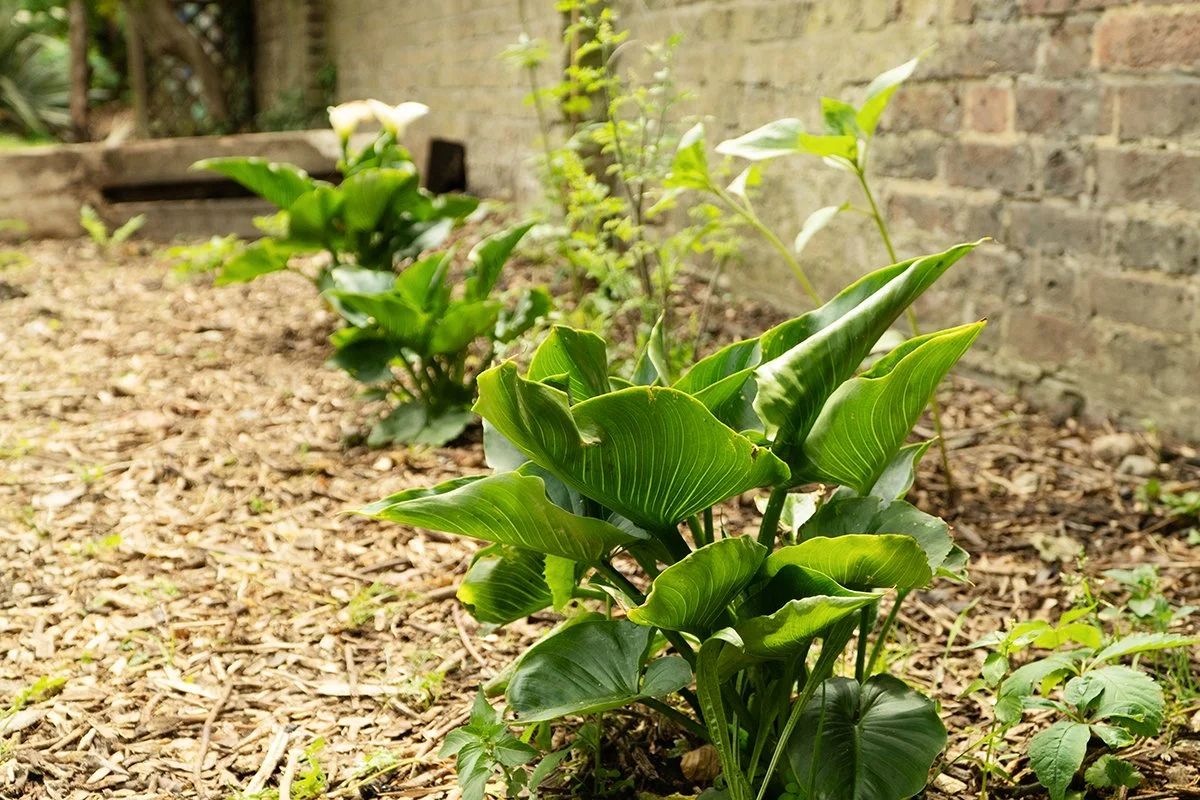
Learning That Combines Theory and Practice
The training will take place over four days in March, blending classroom learning with immersive, on-site practical sessions.
Indoor sessions will be delivered by the ecoACTIVE Hackney Buzzline. These sessions introduce the core principles of urban nature recovery, explore what “evidence-based” practice really means on the ground, and place the training firmly within the context of Hackney’s Local Nature Recovery Plan. Participants will also learn directly from data, insights, and lessons gathered through the Hackney Buzzline.
Each classroom session is followed by four hours of practical training in nearby green spaces on the Gascoyne and De Beauvoir estates, led by GrowN22.
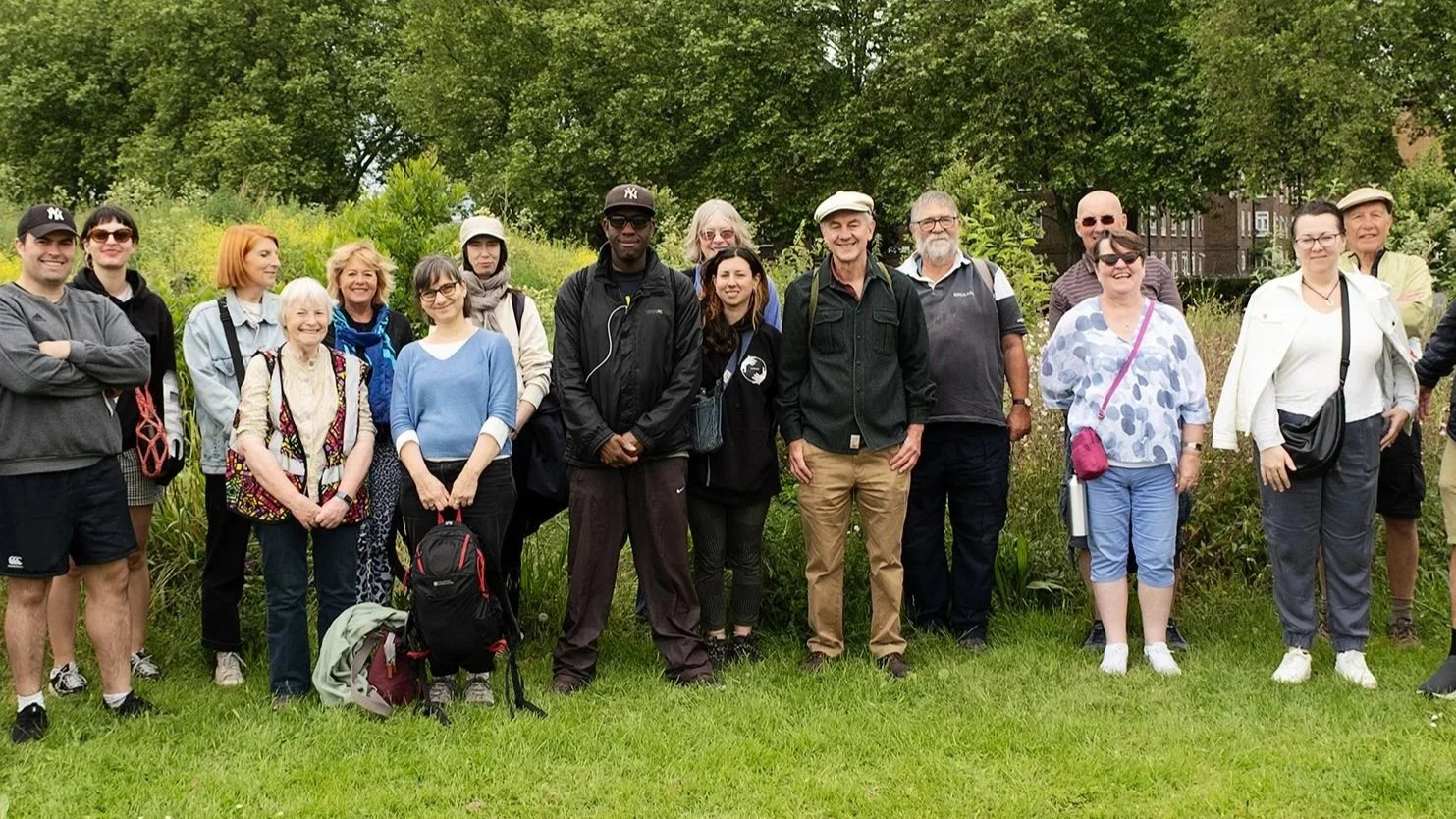
Turning Estates into Living Habitats
Hackney Council is currently developing these sites as community woodlands in collaboration with The Orchard Project and Hackney’s Tree Musketeers. The training complements this work by focusing on habitat enhancements that support wildlife alongside new tree planting.
Participants will help create:
Bee banks to provide nesting sites for solitary bees
Brash hedges that offer shelter for insects, birds, and small mammals
Pollinator-friendly planting to boost food sources across the seasons
Together, these interventions strengthen local ecosystems and increase biodiversity across housing estates.
Skills That Last Beyond the Training
By the end of the programme, participants will have gained hands-on experience designing, building, and planting pollinator habitats. They will learn how to identify key pollinators and understand how monitoring and evidence can guide smarter decisions about creating and maintaining diverse green spaces, while still meeting the practical constraints of housing estate management.

A Model for Nature-Rich Urban Living
This programme showcases ecoACTIVE’s expertise in training and supporting people to create nature-rich urban spaces. It also demonstrates how strong partnerships between councils, community organisations, and environmental practitioners can transform everyday green spaces into thriving habitats for wildlife, right where people live.
From housing estates to community woodlands, Hackney is investing not just in greener places, but in the skills and knowledge needed to help nature recover for the long term.