
Buzzlines International
A grassroots network of pollinator projects connecting communities around the world.
We find simple ways to support and protect bees, butterflies and other pollinators in our neighbourhoods.
The threat to pollinators is global. Populations are declining, species are disappearing, ecological function is fading. We take practical action - creating habitats, raising awareness, educating children and monitoring diversity. By helping pollinators, we can help restore the beauty, diversity and richness of the natural world around us.
Our Approach
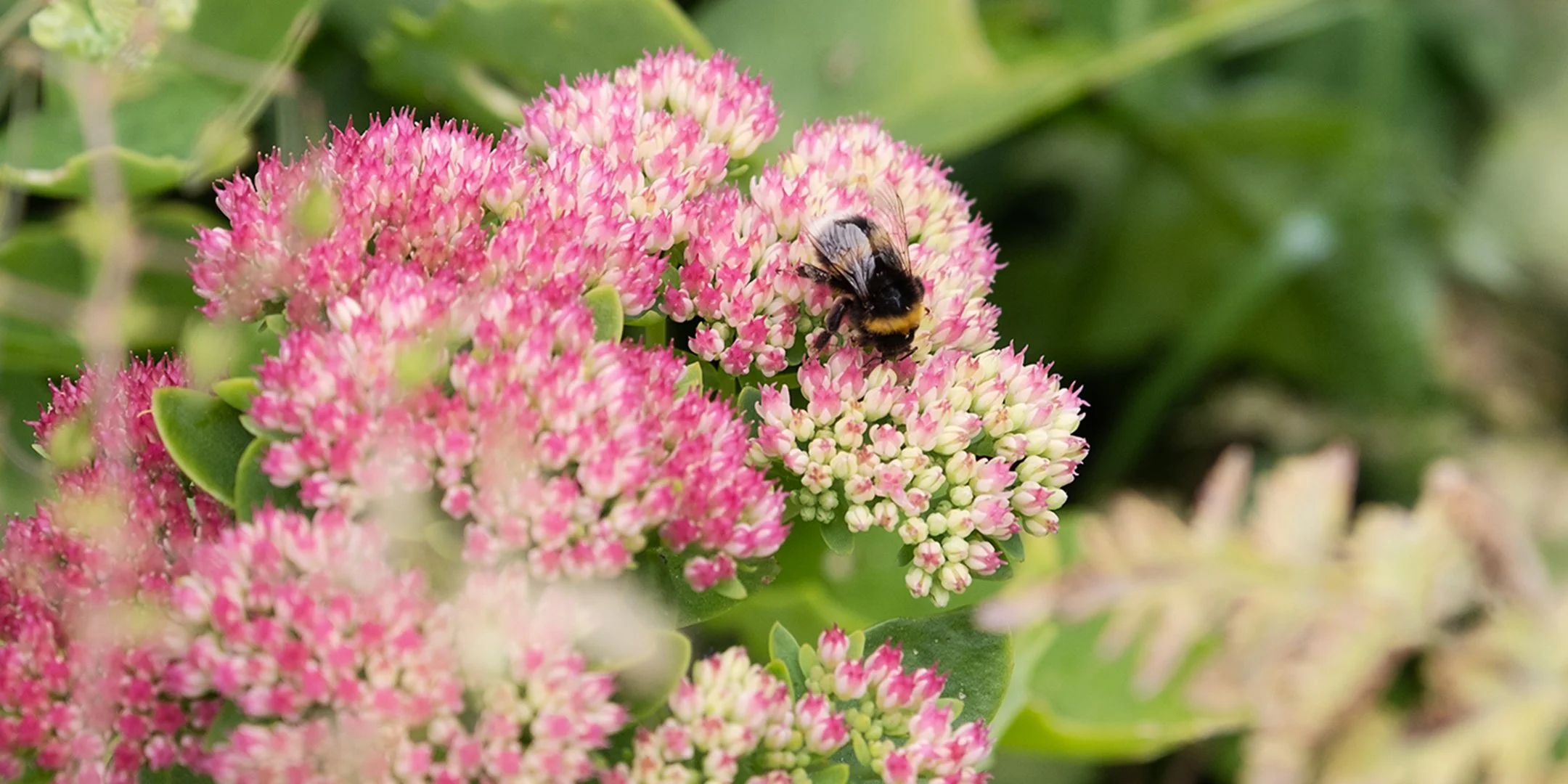
A Buzzline is an ecological corridor for bees, butterflies and other pollinators, linking parks and large green spaces through streets and housing estates. By connecting habitats and the people who create and care for them, Buzzlines provide a practical, pollinator-led approach to nature recovery. Buzzlines are built around four principles:
-
Connectivity
Our projects help pollinators move through the landscape. Pollinator ‘pit stops’ are typically
100–200 metres apart, so even the smallest bees can find food and nesting places. We create varied habitats which we improve as we learn more about the pollinators using them.
-
Community
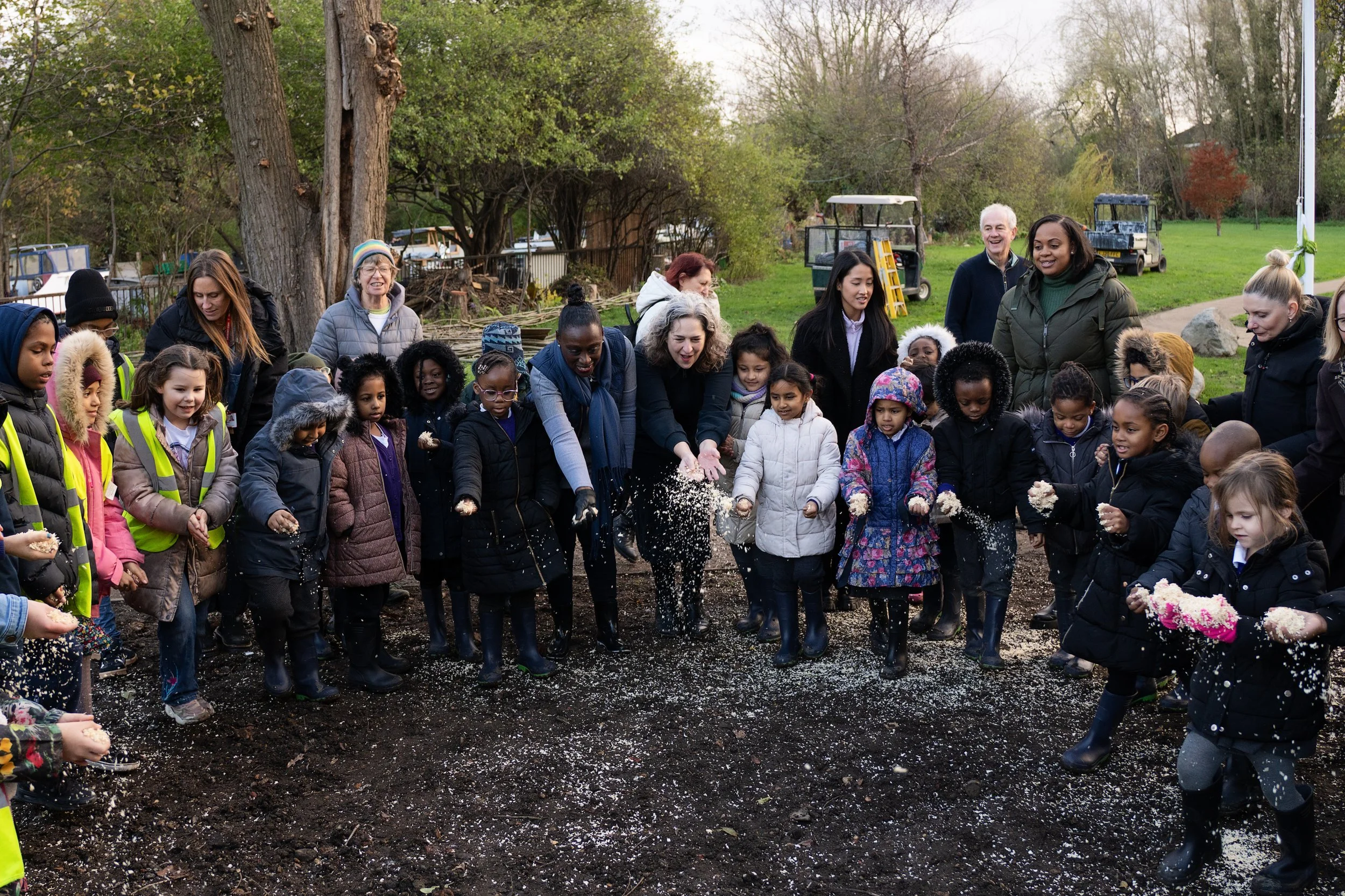
People create and care for Buzzlines. We work with residents, volunteers, schools, gardeners and
land managers to create and look after pollinator-friendly habitats. We also encourage people to create their own pollinator spaces, extending the corridor into gardens, neighbourhoods and workplaces.
-
Evidence
We use robust evidence to understand which pollinators are present and what food plants and nesting resources they need. We draw on academic research alongside our own surveys and observations on Buzzlines. This evidence guides how we create and manage habitats, and helps us understand how pollinators respond.
-
Learning
A Buzzline is a community of people learning together. Volunteering, training, citizen science and sharing experiences build knowledge and skills to create better pollinator habitats. We share whatwe learn through resources, partnerships and connections between Buzzlines, so that ideas and experience travel between communities and countries.
UK: Hackney Buzzline
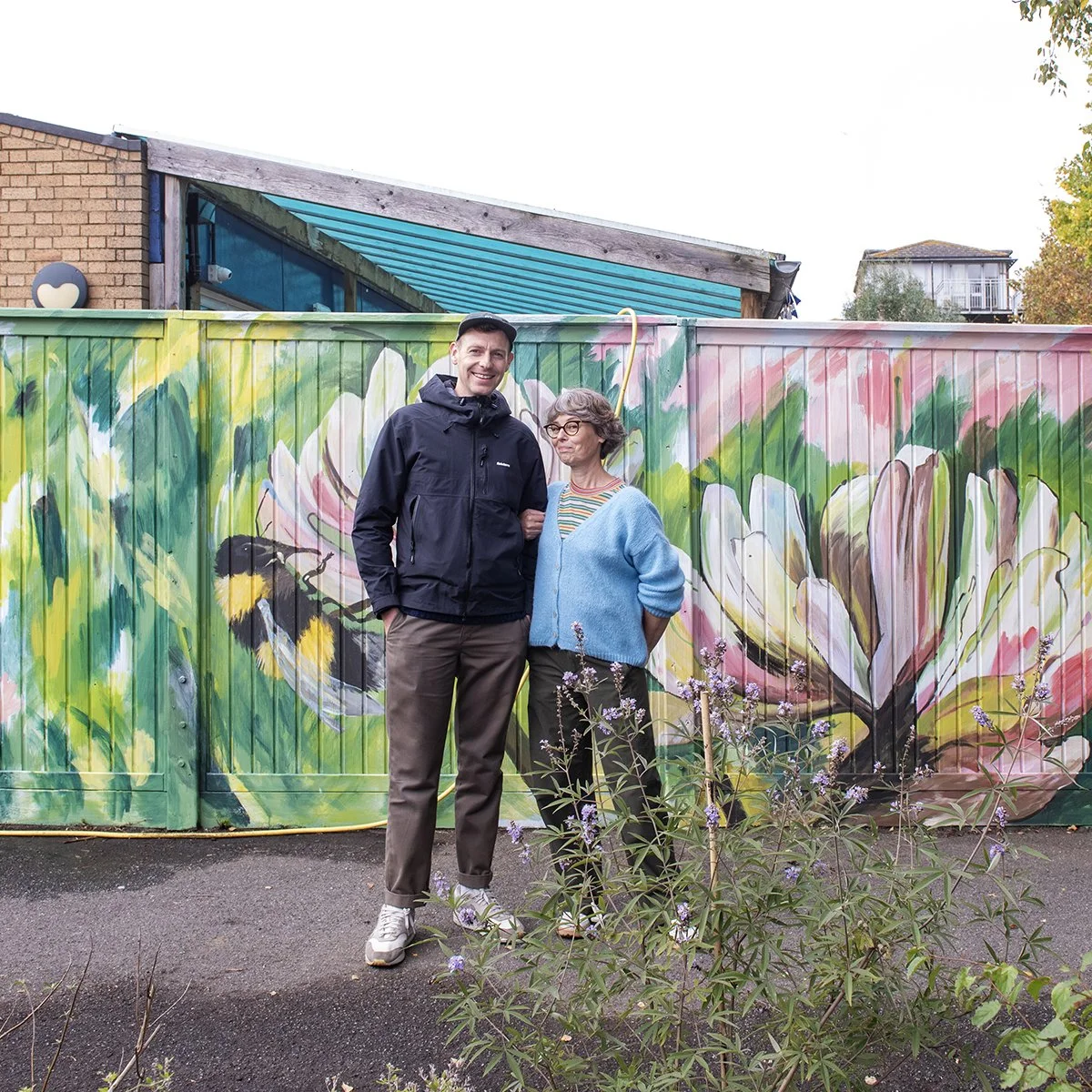
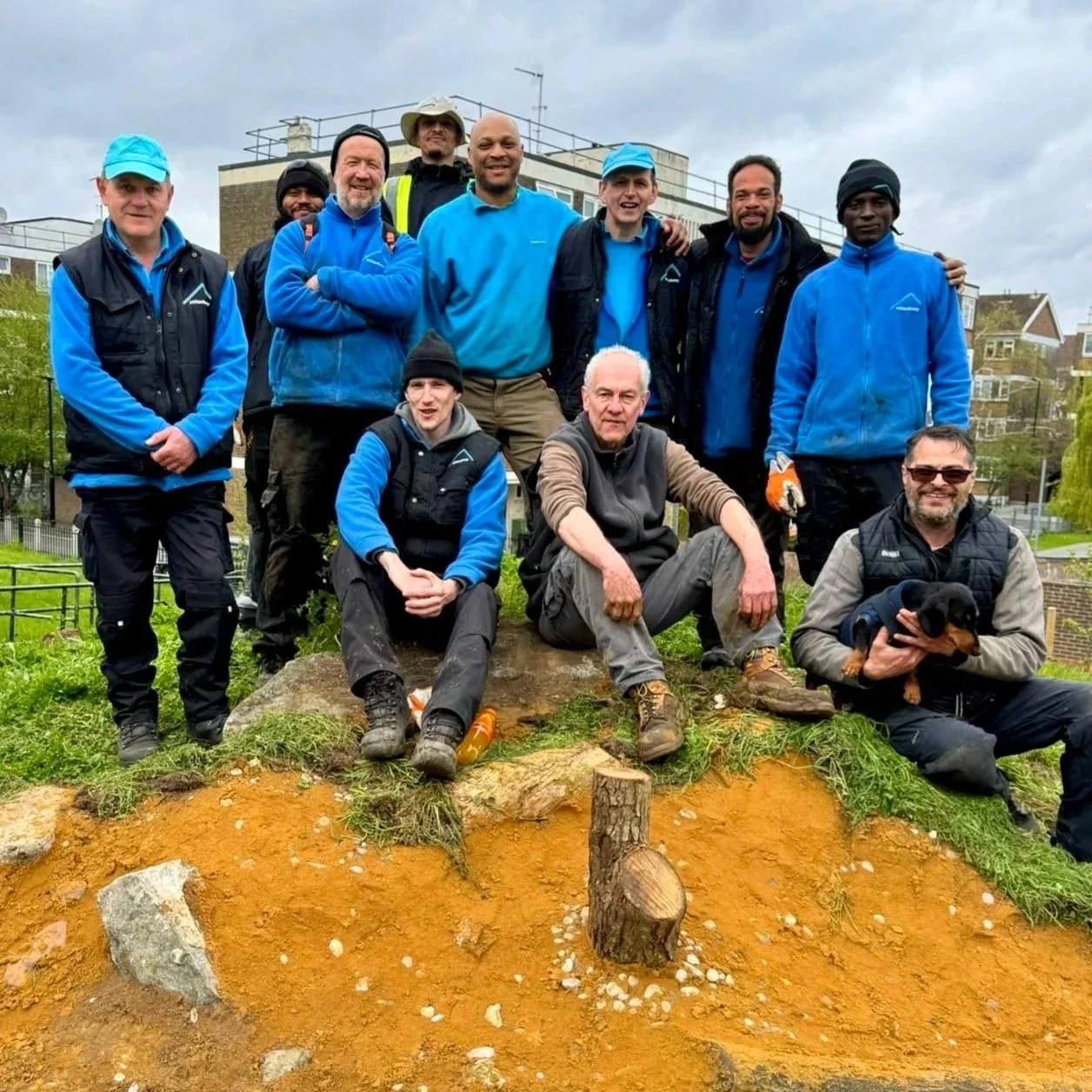
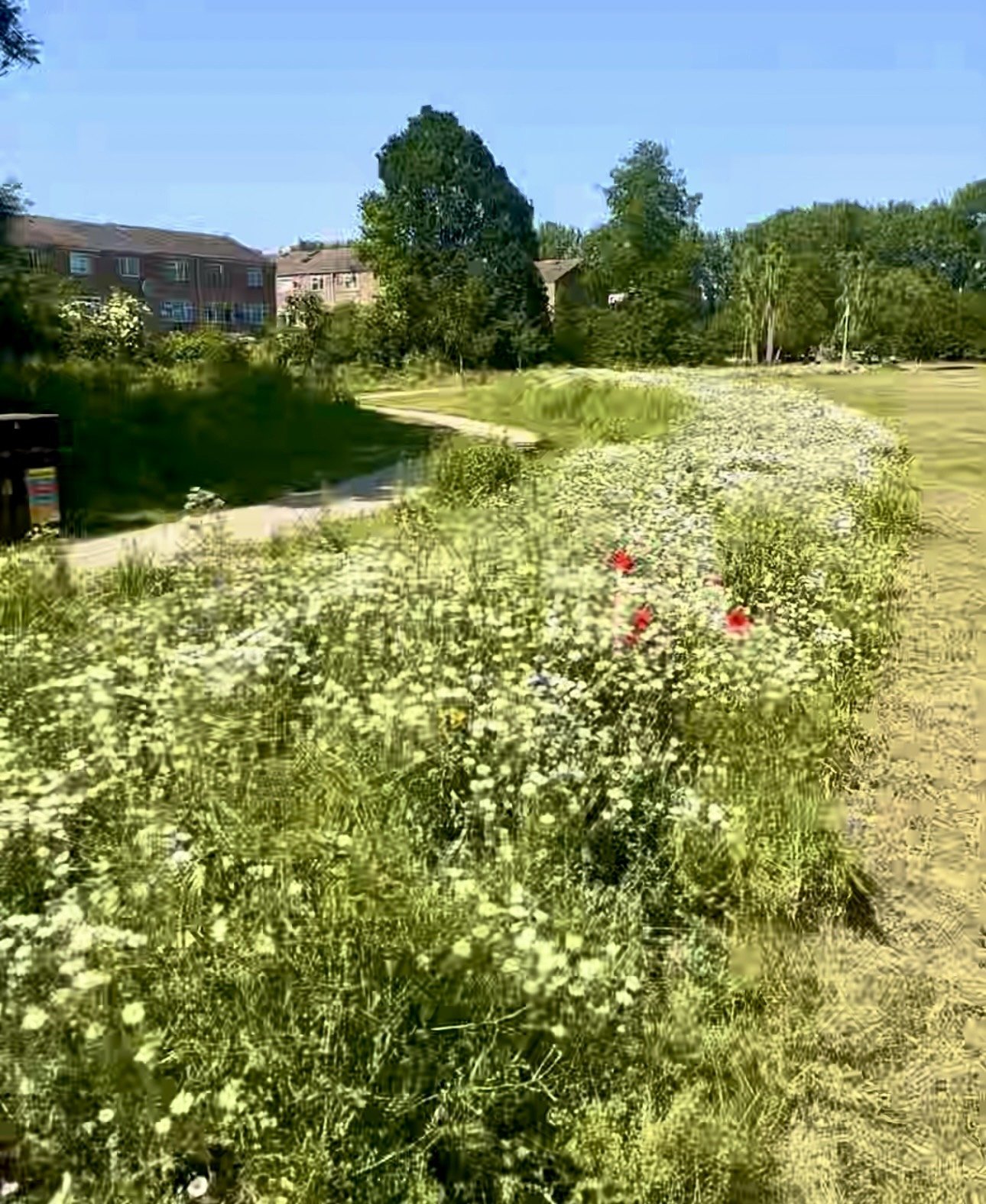
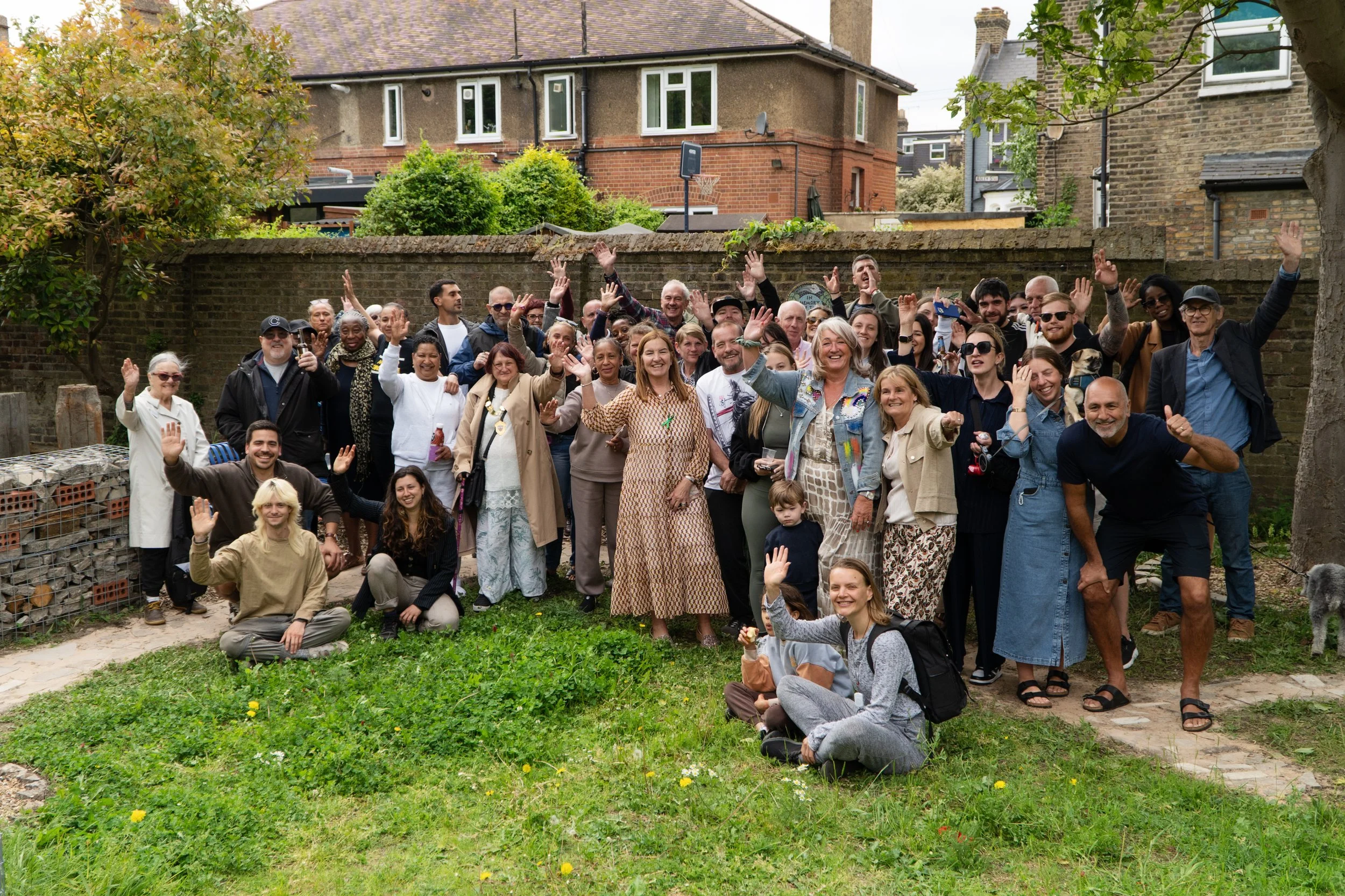
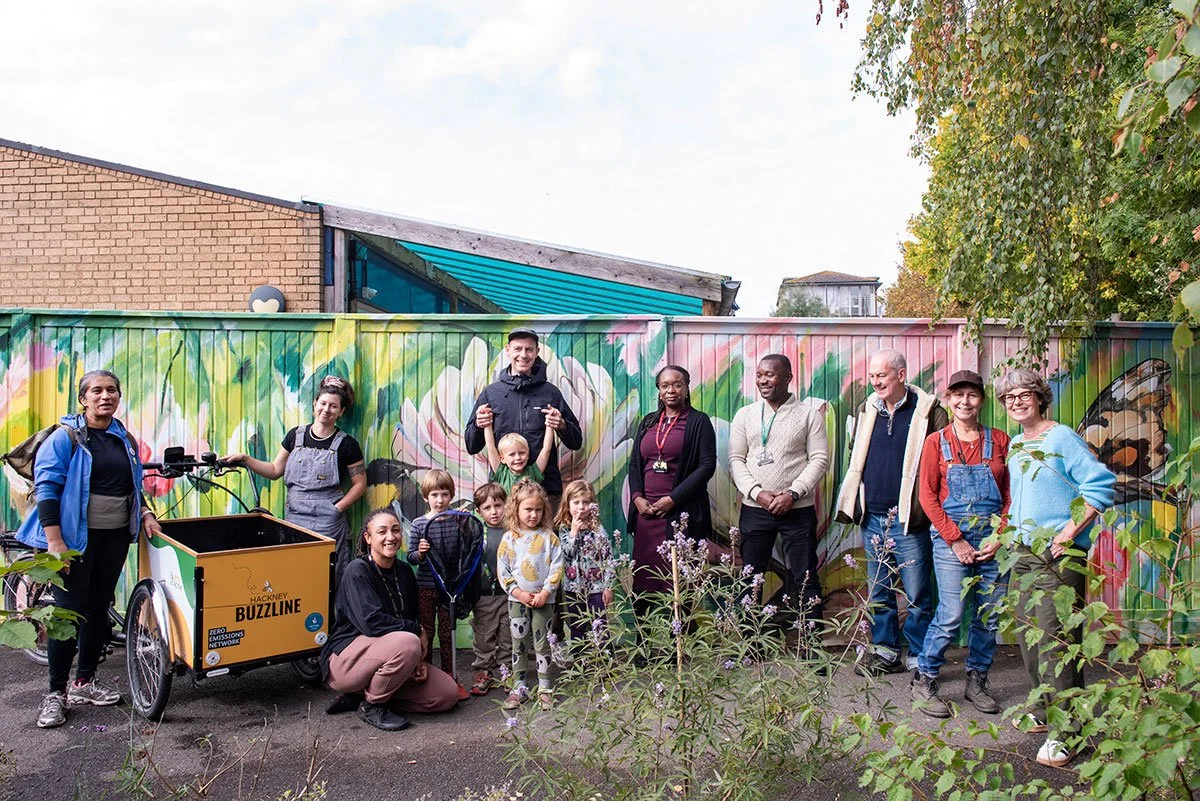
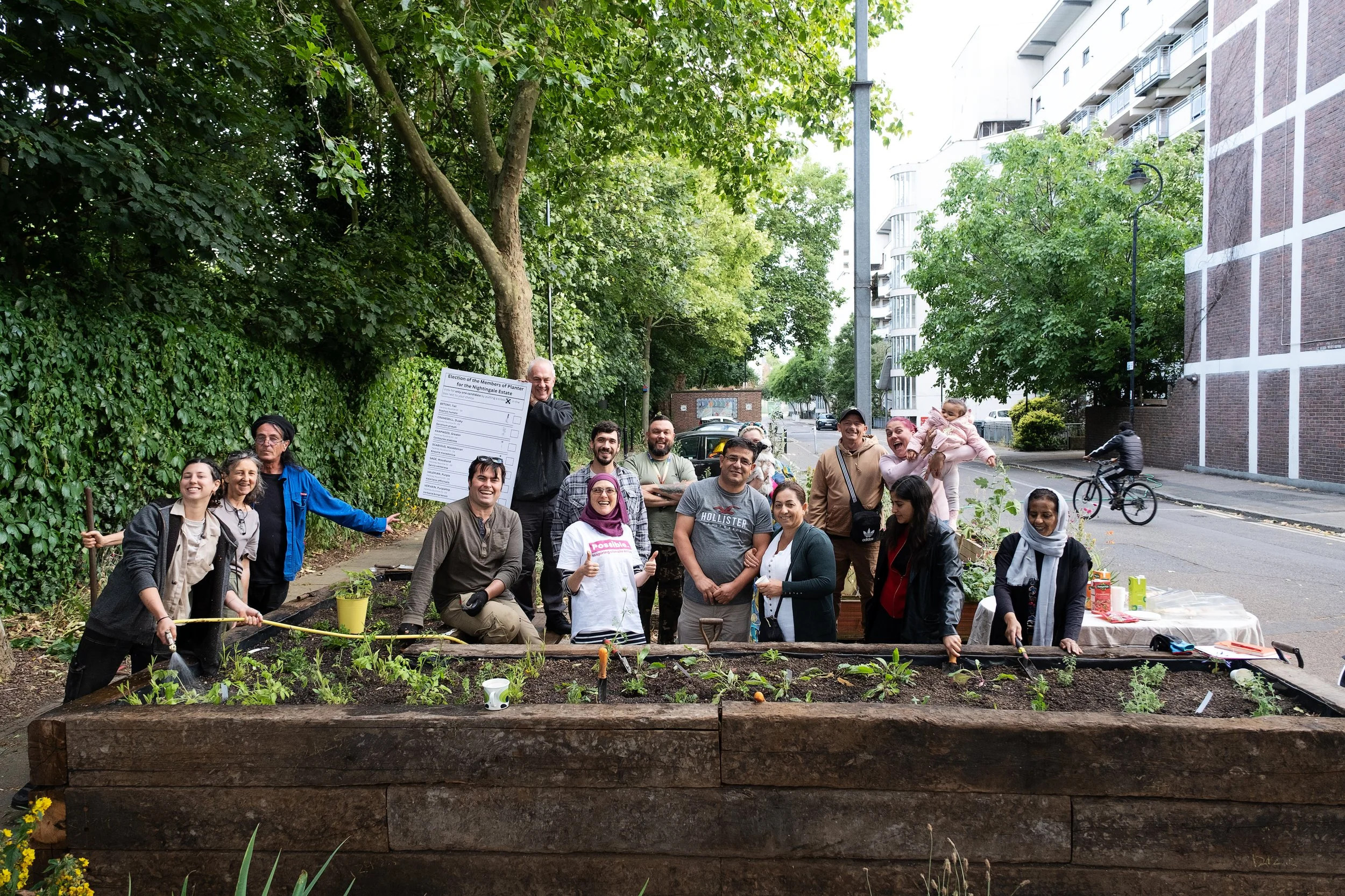
ecoACTIVE’s community ecologist and postcode gardener team has brought together hundreds of volunteers to build a 5km pollinator corridor through the London borough of Hackney. The Hackney Buzzline is a chain of pollinator habitats, every 100-200 metres, connecting four parks through three social housing estates. Children and adults sow wildflower meadows, plant woodland bulbs, and build sand banks for ground-nesting bees. Estate residents create pollinator-friendly gardens and roadside verges, turn parking spaces into parklets, and install bee hotels and brash hedges. Nurseries, schools and youth hubs learn about local bees and butterflies and create pollinator flower beds in their grounds. Artists and craftspeople add murals, mosaics and games to bring people into the habitats and celebrate their wildlife.
People can add their own pollinator spaces to the Hackney Buzzline Community Map, extending the corridor into the wider neighbourhood. ecoACTIVE supports community projects through a bursary for pollinator plants, along with guidance and training. More than 200 species of pollinating insects have been recorded on the Hackney Buzzline. The evidence helps the team create habitat features that meet the needs of different species. Residents can add their own observations through the Hackney Pollinator Patrol iNaturalist group. University College London is working with the Hackney Buzzline to strengthen research, learning and citizen science, from exploring participation in local pollinator recording to helping analyse monitoring data.
The Hackney Buzzline is supported by the National Lottery Heritage Fund and Hackney Council.
Uganda: Kampala Buzzline
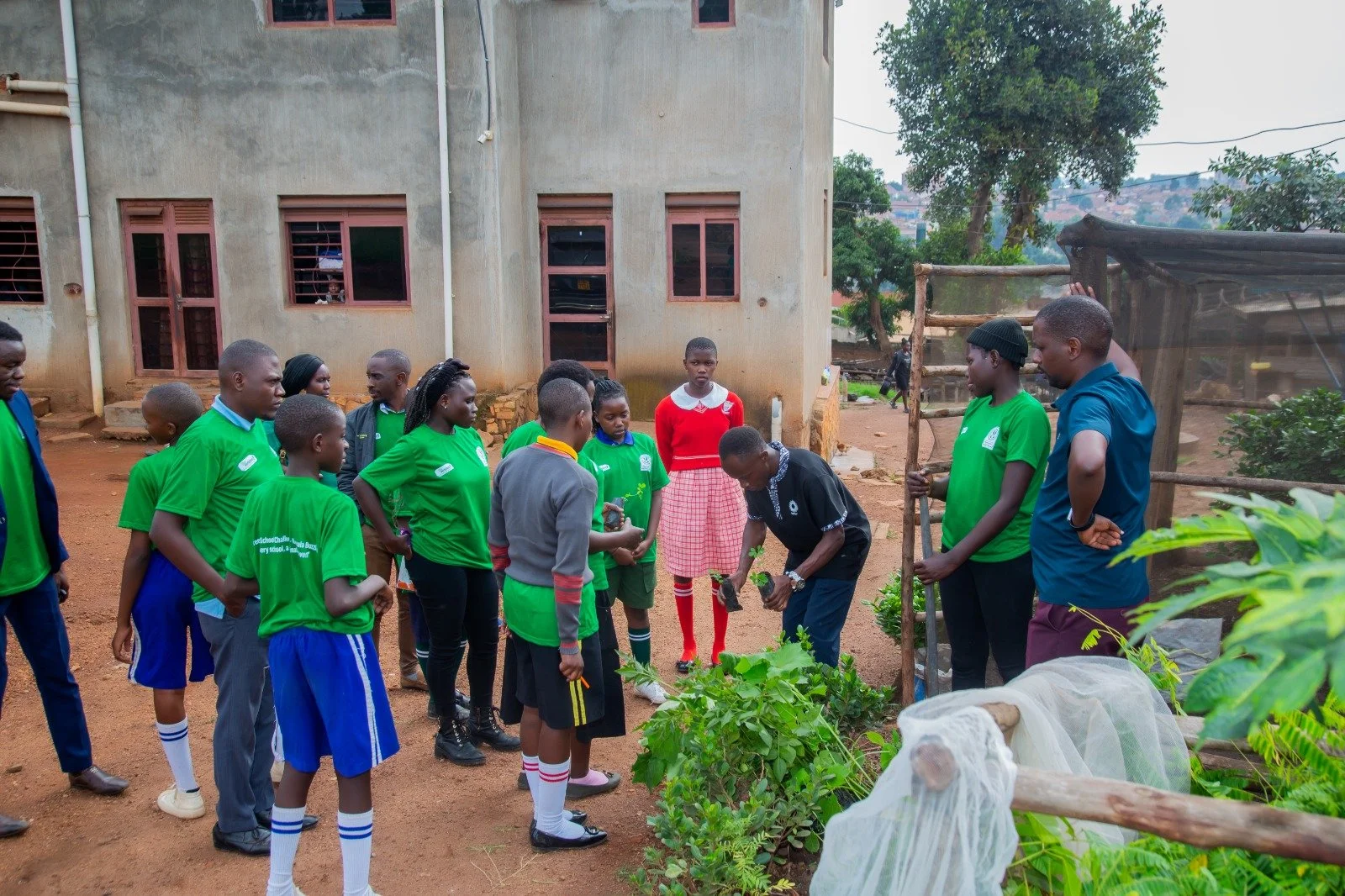
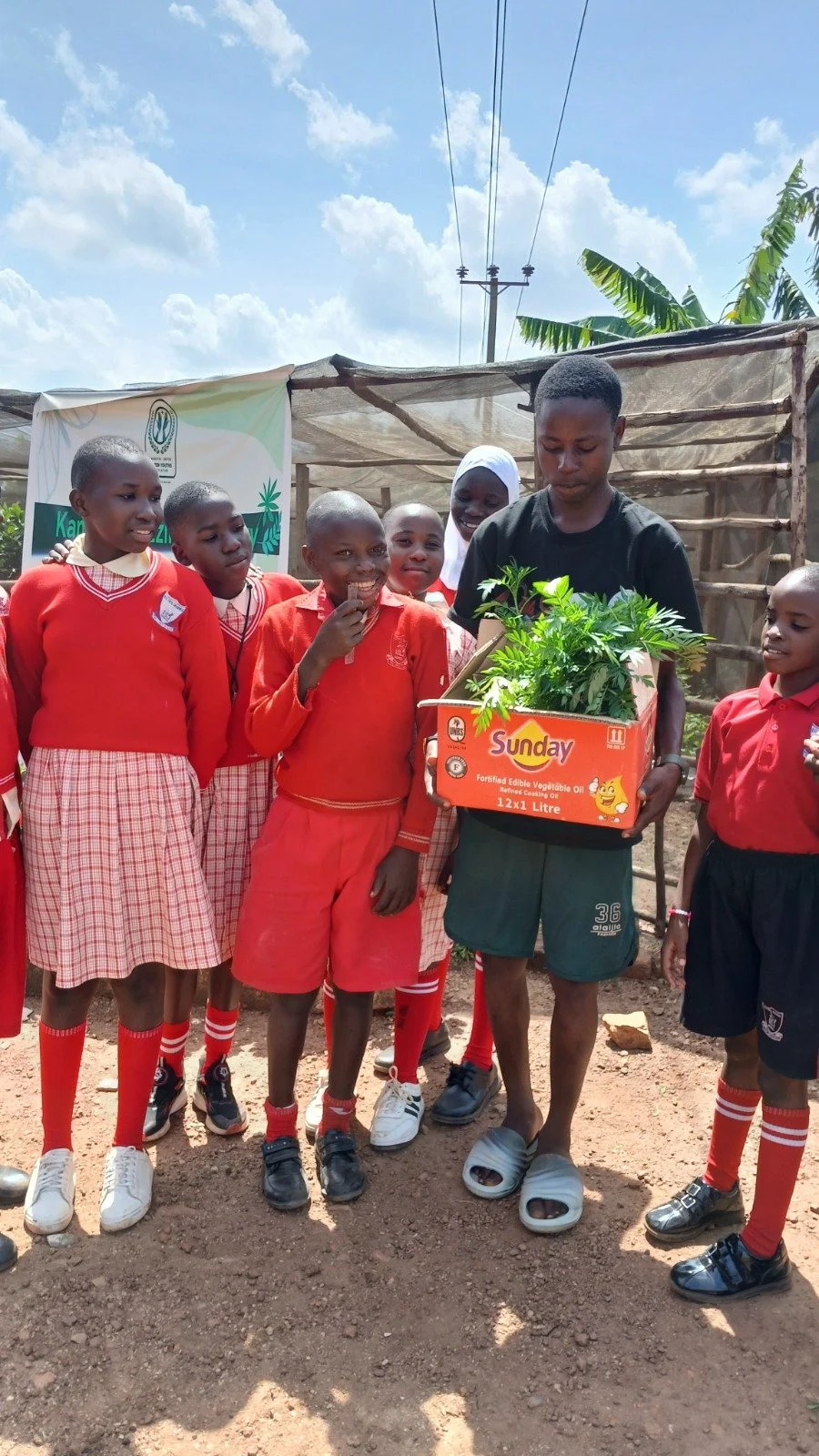
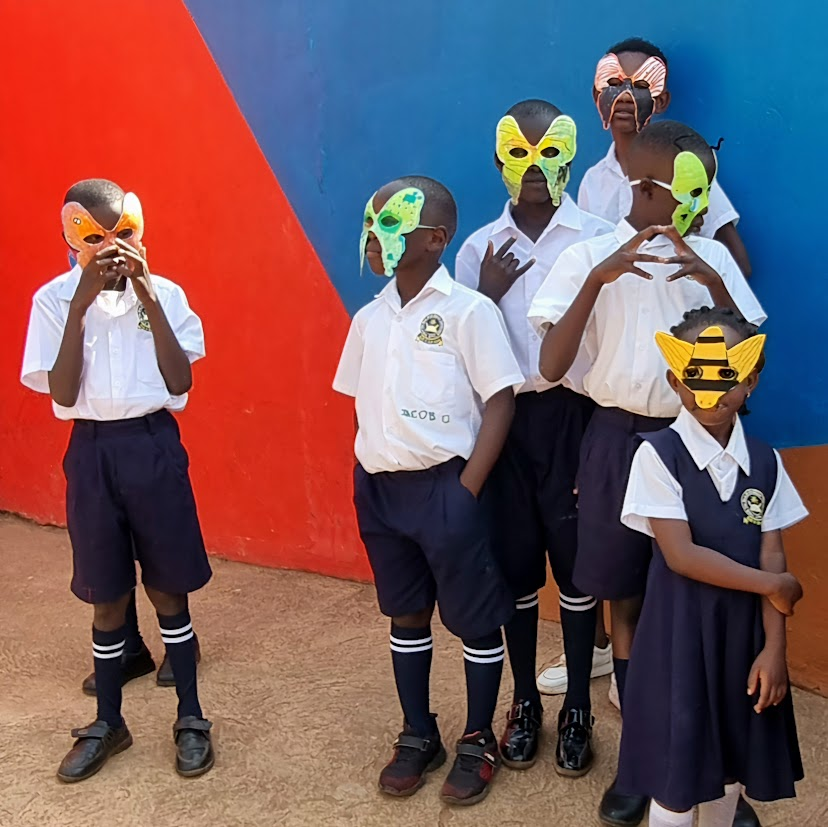
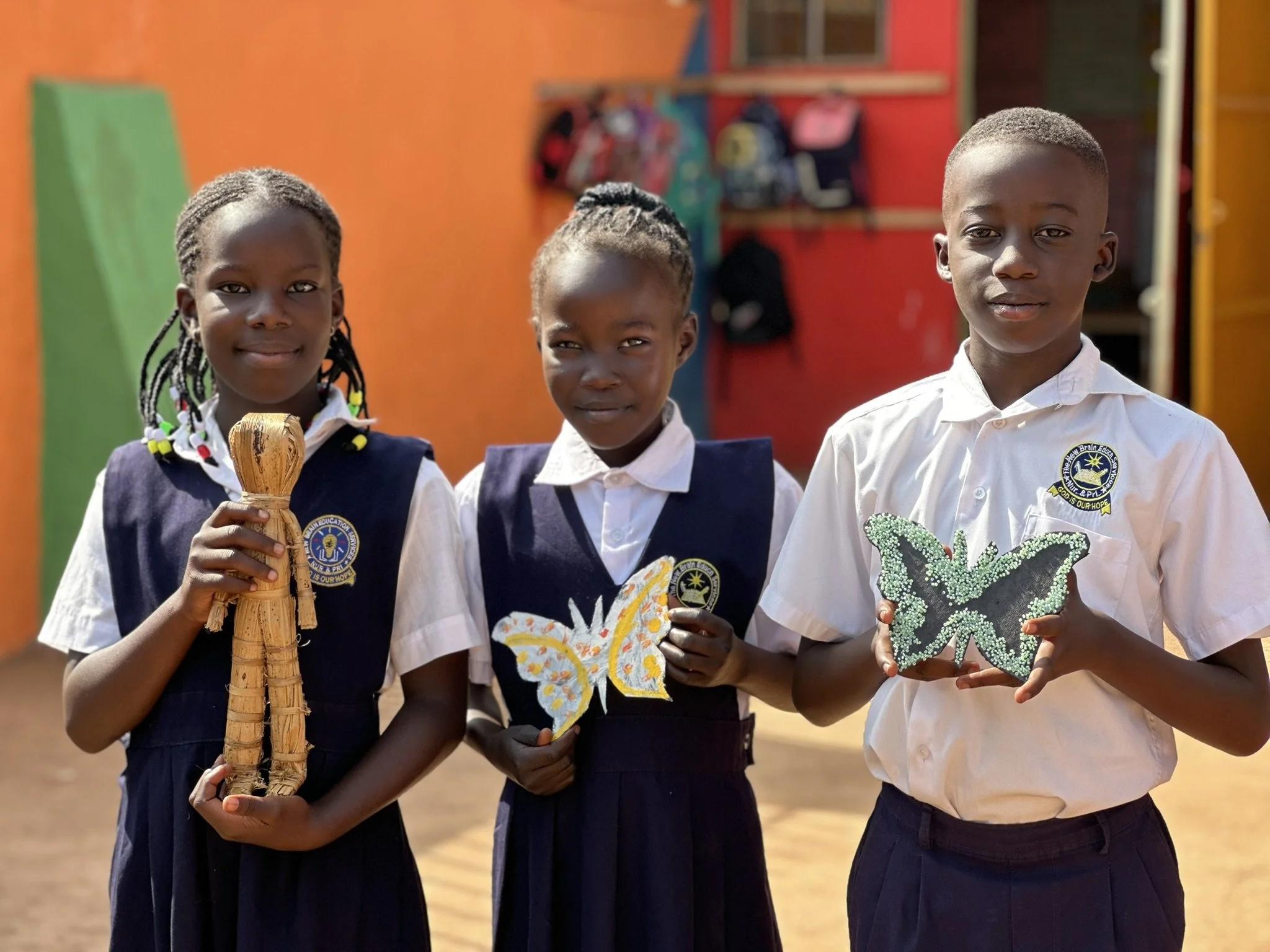
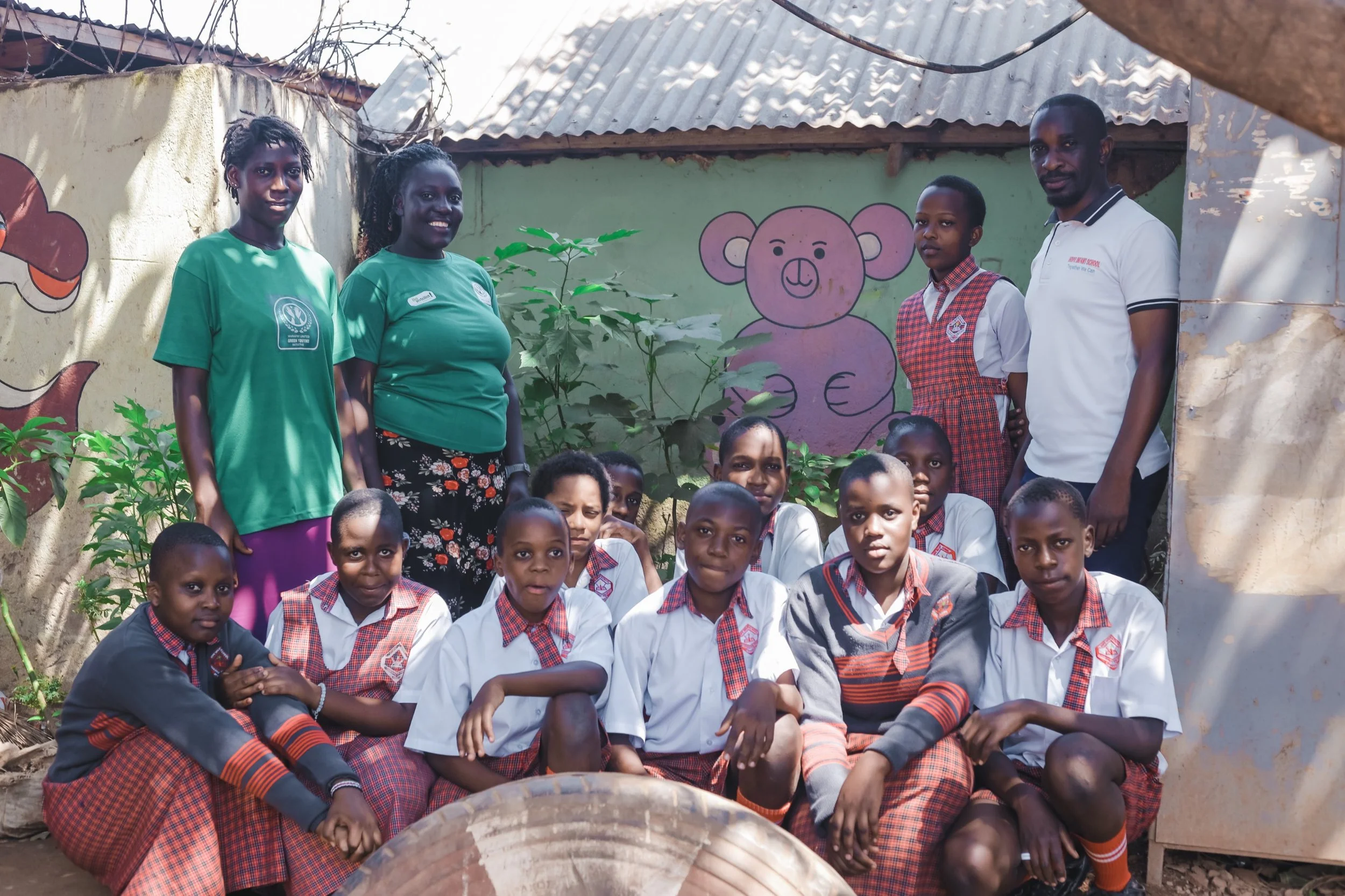
A young people’s grassroots organisation called Marafiki set up the Kampala Buzzline to create a pollinator haven in Uganda’s capital. Led by ecoACTIVE trustee Hannington Sserwanga, the Kampala Buzzline is building a pollinator corridor through communities in one of the city’s disadvantaged and nature-depleted areas. Young people work with residents and community groups to plant gardens and public spaces for bees, butterflies and other pollinating insects.
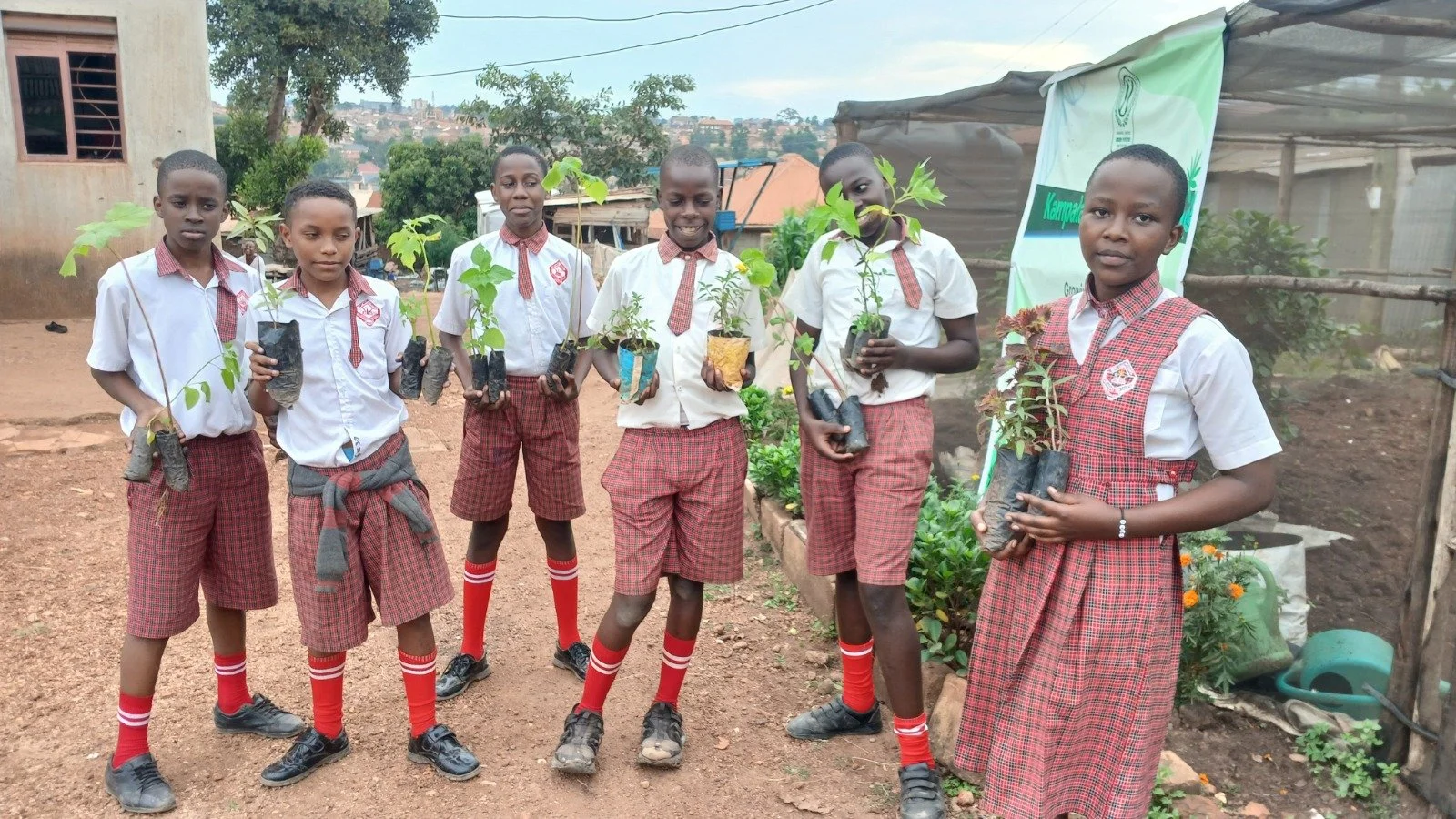
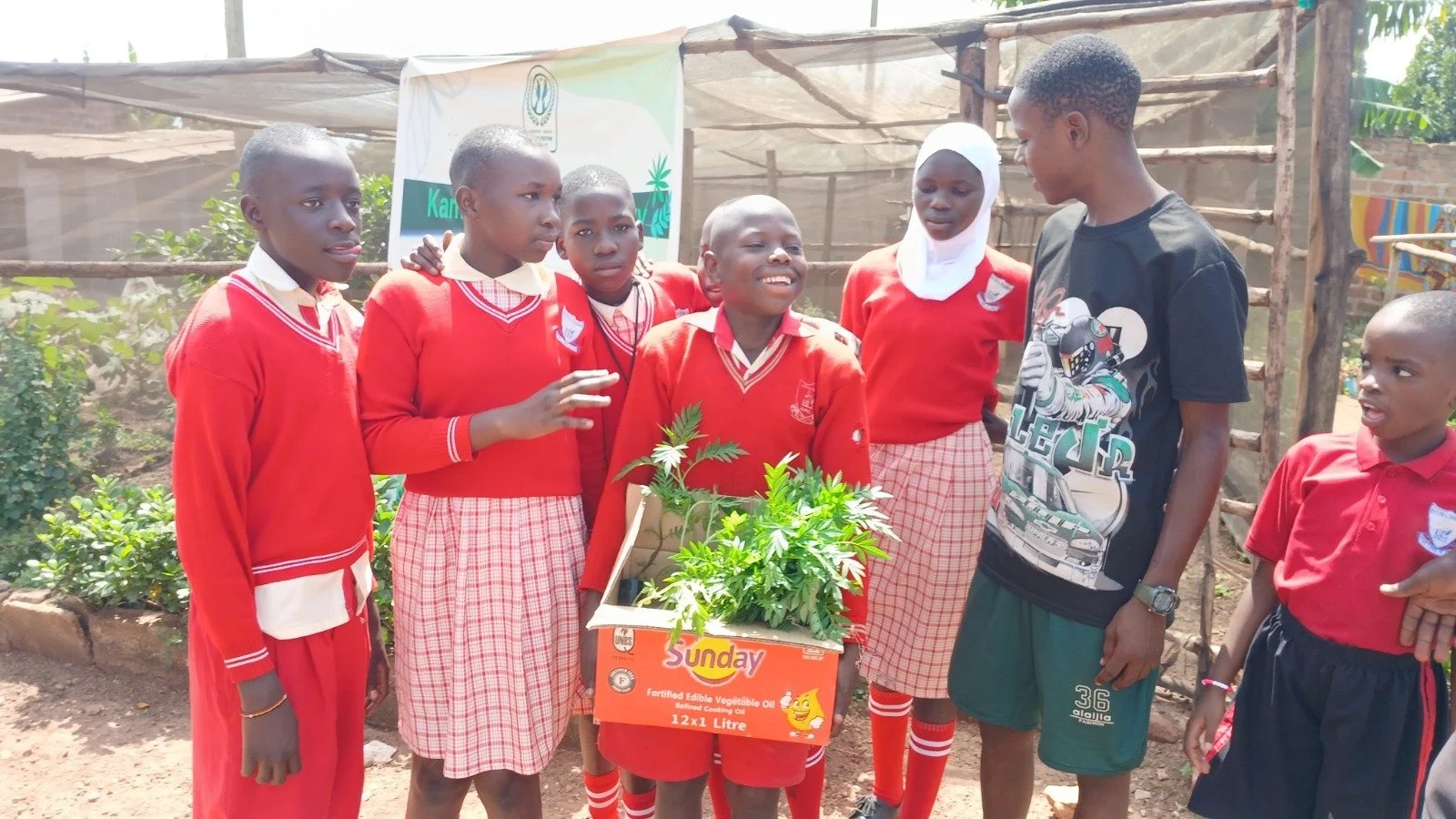
The Kampala Buzzline has established a pollinator plant nursery at Set Her Free - a centre for young women and girls who have experienced exploitation and poverty. The nursery grows a wide variety of pollinator-friendly plants and supplies them to the local community to build and restore pollinator gardens and habitats. The Buzzline team also runs a ‘Greenest School Challenge’, working with students to design, create and maintain pollinator friendly spaces in schools. Schools are twinned between the Hackney and Kampala Buzzlines, providing opportunities to share ideas and experiences between the two cities. The team is working closely with Makerere University to compile a comprehensive list of pollinator species in the city.
On 25 October every year, the team organises a running event through the streets of Kampala, bringing hundreds of people together to celebrate and learn about the importance of pollinators.
The Kampala Bee Run is supported by national businesses and international funders.

Costa Rica: Biological Tourist Corridor
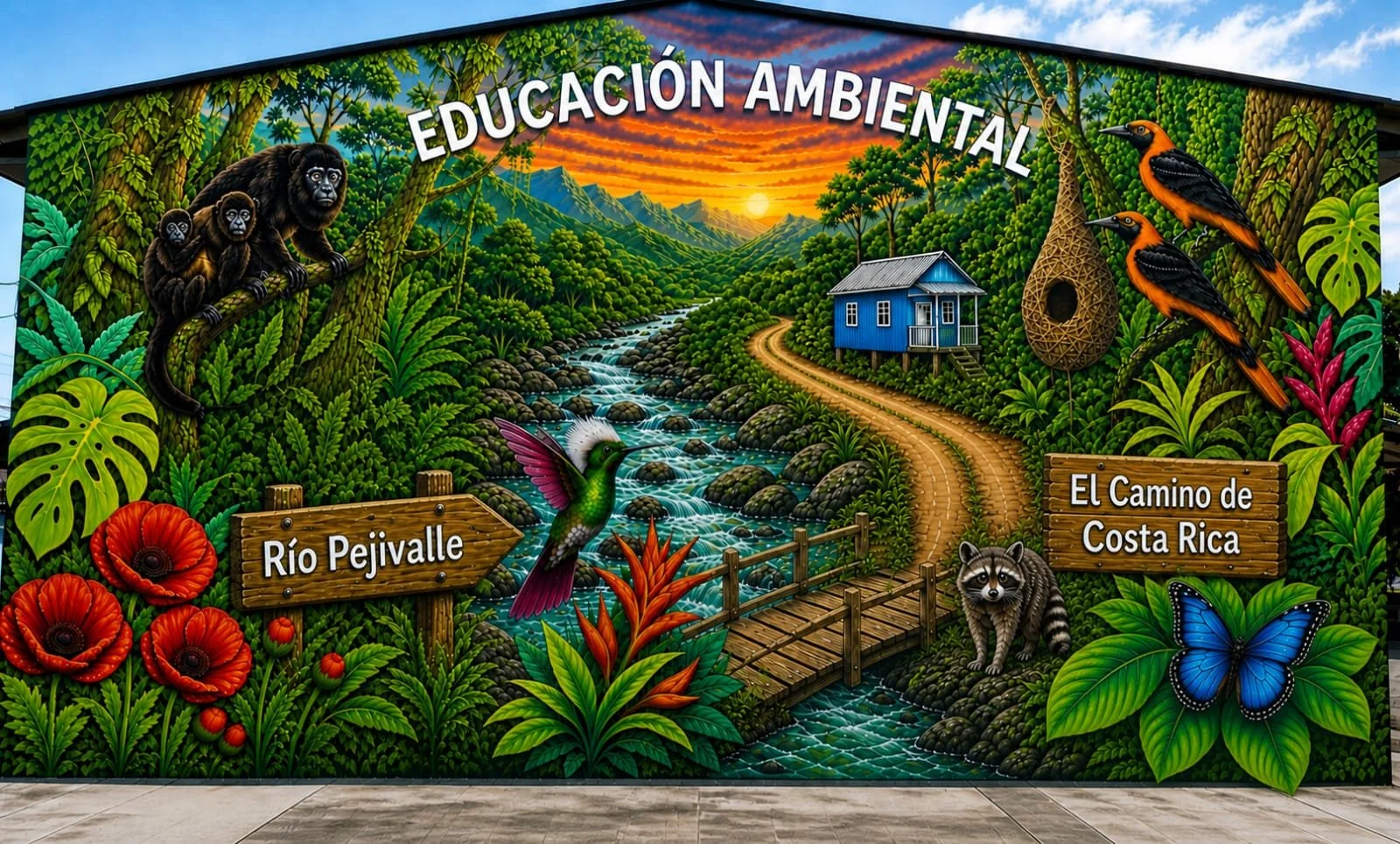
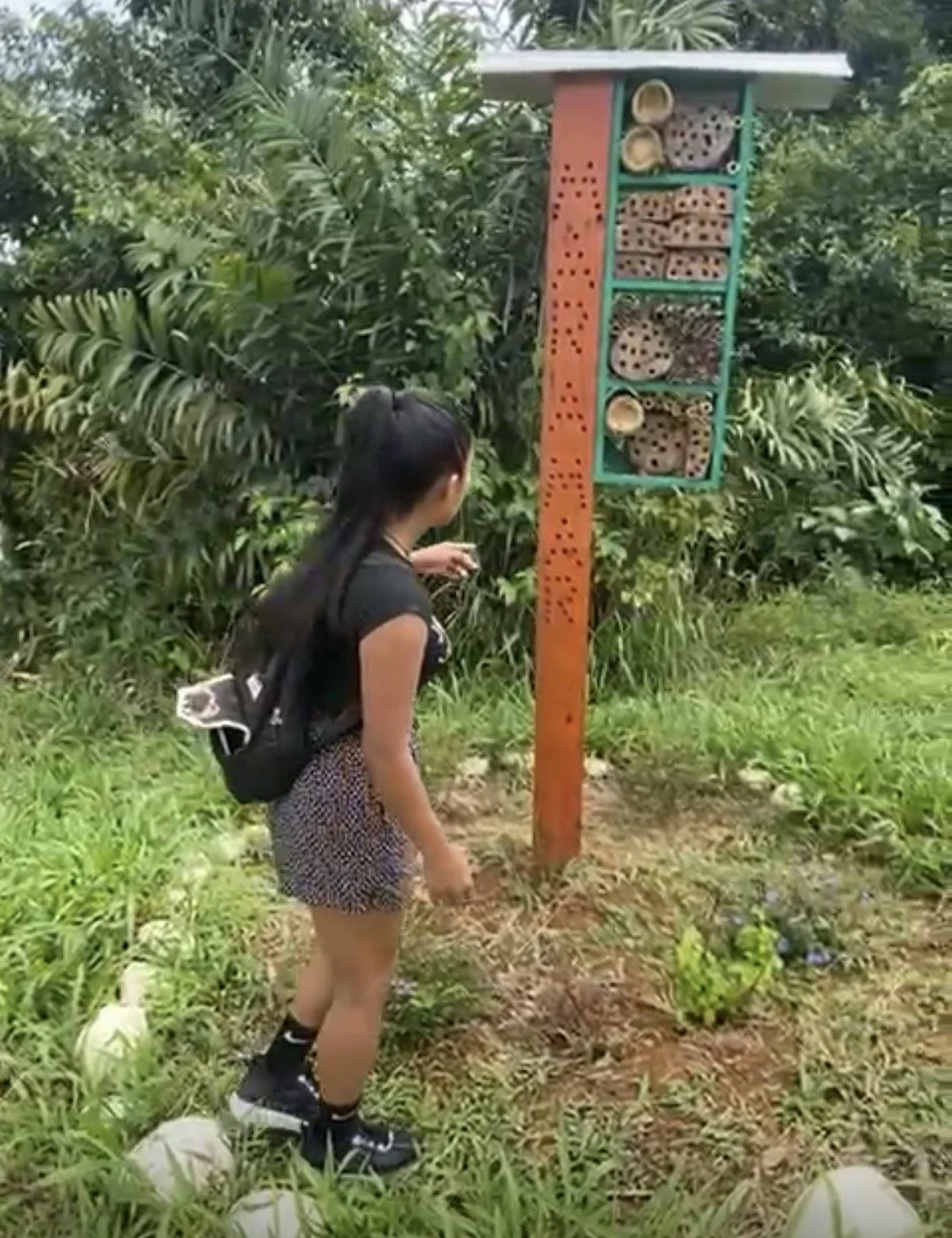
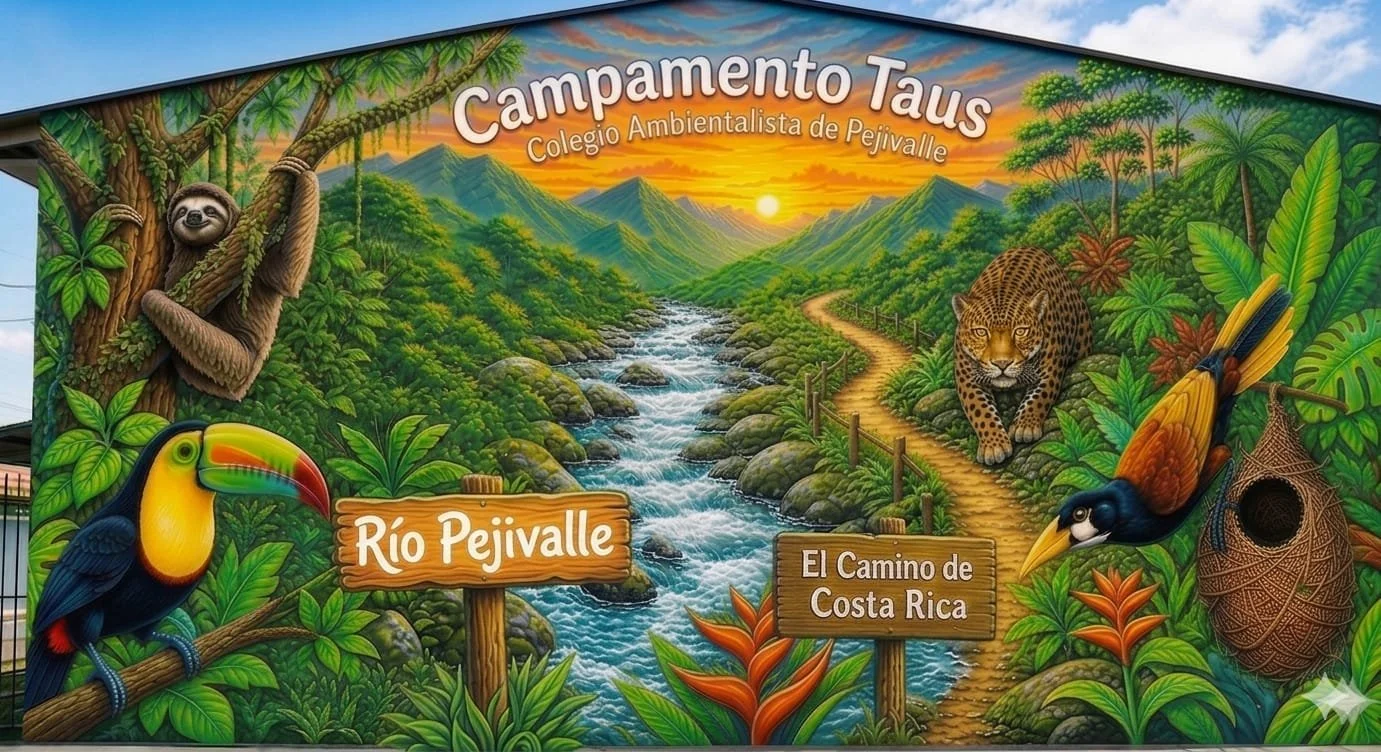
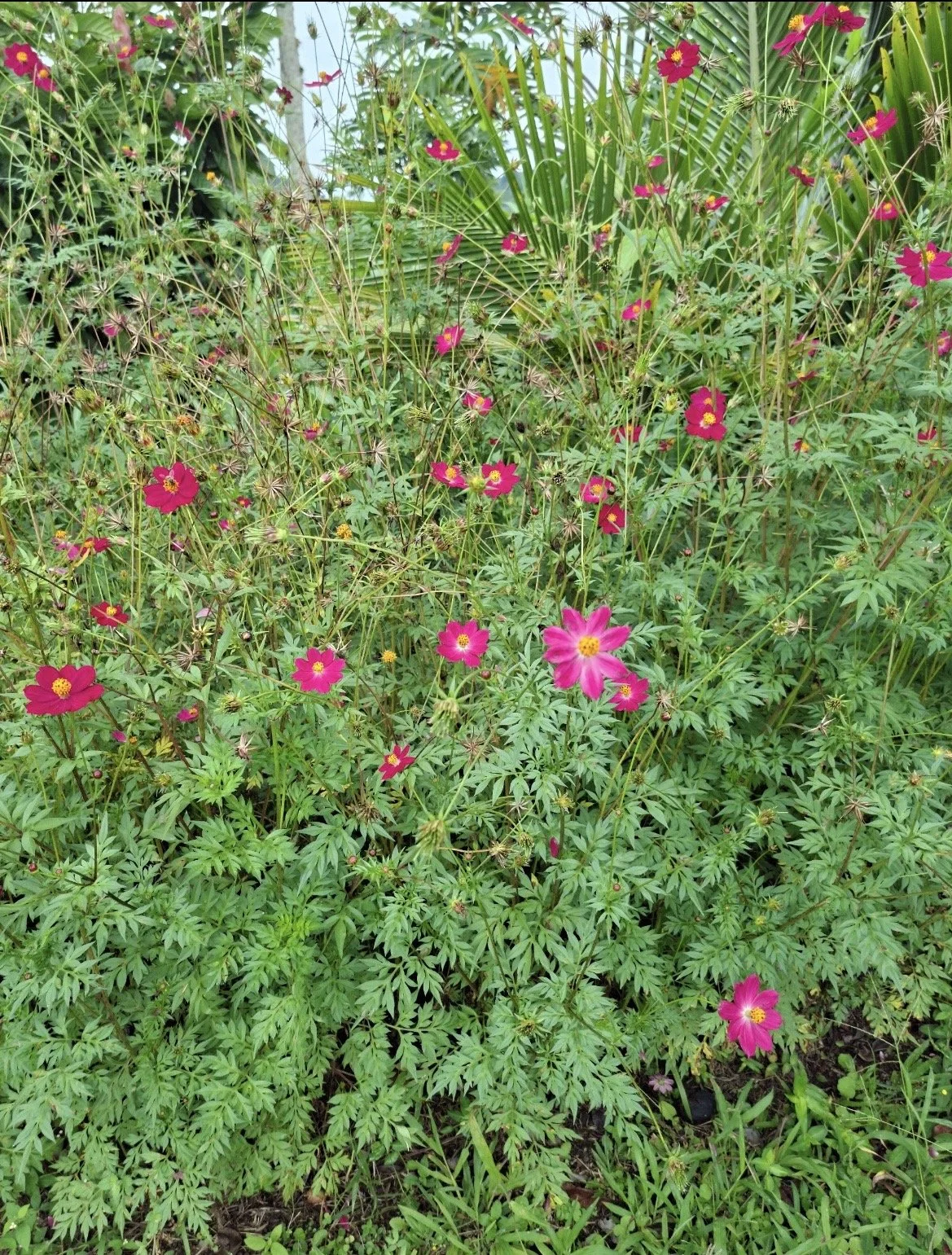
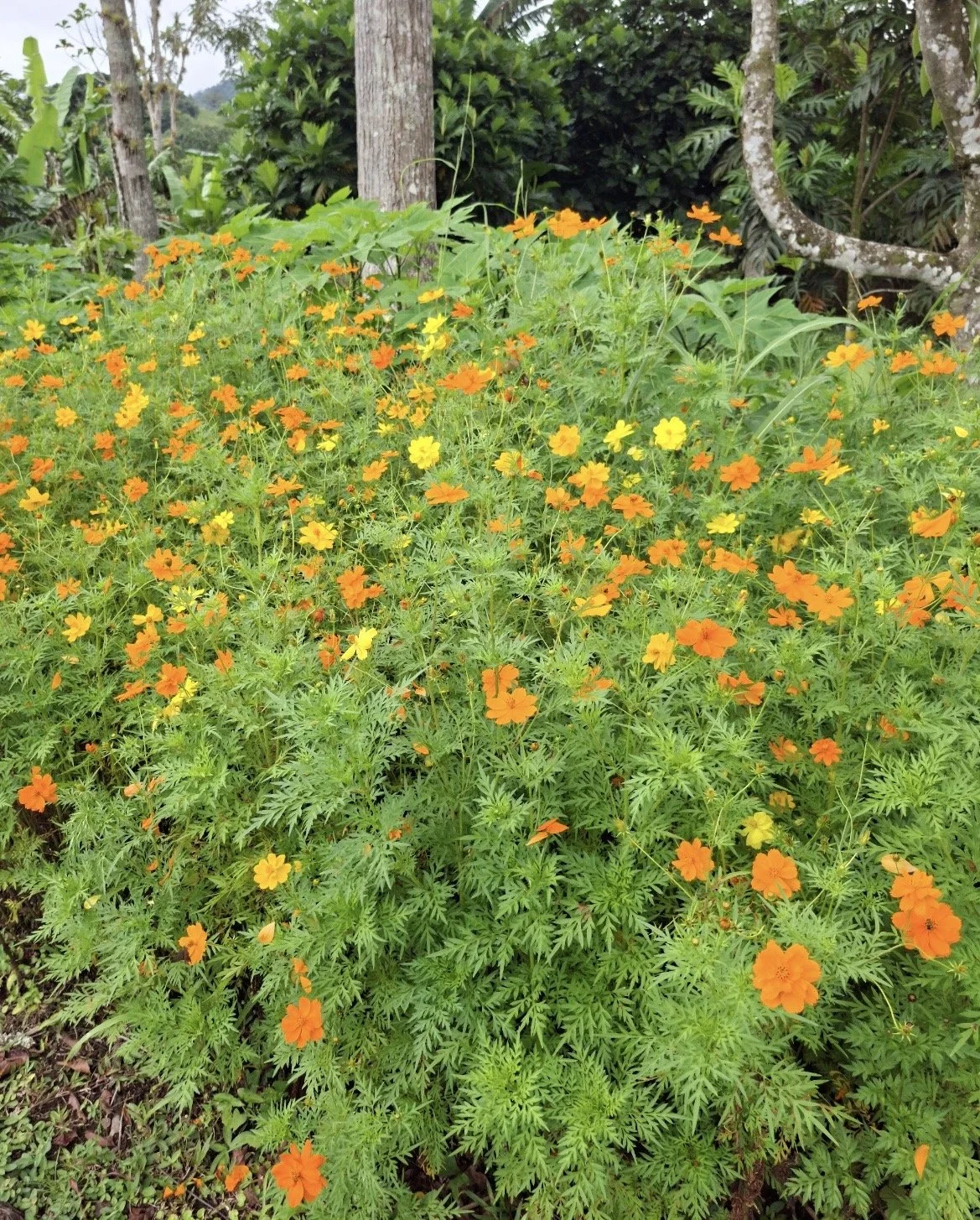
Conservation volunteers in Costa Rica are building a pollinator pathway along a new Biological Tourist Corridor in the Tapantí National Park region. The 10-mile Biological Tourist corridor forms part of the Camino de Costa Rica hiking trail which crosses the country from the Caribbean to the Pacific. The pollinator pathway is a chain of pollinator gardens created along the route with the National University of Costa Rica and Buzzlines International. Native flowering plants support the country’s stingless Mariola bees and other pollinators, including butterflies, bats and hummingbirds. Indigenous peoples of Central America have harvested Mariola honey for its medicinal properties for thousands of years. The project connects six communities, making Mariola bee hives and solitary bee hotels for solitary bees in villages and ecotourism centers. It plants pollinator gardens along the route in schools and near tourist lodgings and offers educational tours for visitors. It aims to provide public education and foster scientific interest in conservation and biodiversity protection. Costa Rica is a global biodiversity hotspot and leader in wildlife conservation. The Biological Tourist Corridor reconnects ecosystems fragmented between cloud forest, coffee plantations and rural communities through reforestation, habitat restoration and pollinator-friendly farming. Sustainable tourism brings visitors into the landscape in ways that benefit nature and local people, building community pride and supporting farmers, artisans and producers.
The Costa Rica Biological Tourist Corridor launches on 6 December 2026 with an environmental fair and Bee Run through Tapantí National Park. The Costa Rica Bee Run is led by Asociación Mar a Mar. The new project connects six communities - making Mariola bee hives and hotels for solitary bees in several villages and ecotourism centers, planting pollinator gardens along the main hiking route, in schools and near tourist lodgings , and offering educational tours for visitors. Education and fomenting scientific interests in conservation and protection for biodiversity are the main goals of creating the Corredor Biologico Turistico Pejivalle Tapanti.
Nepal Pollination Project
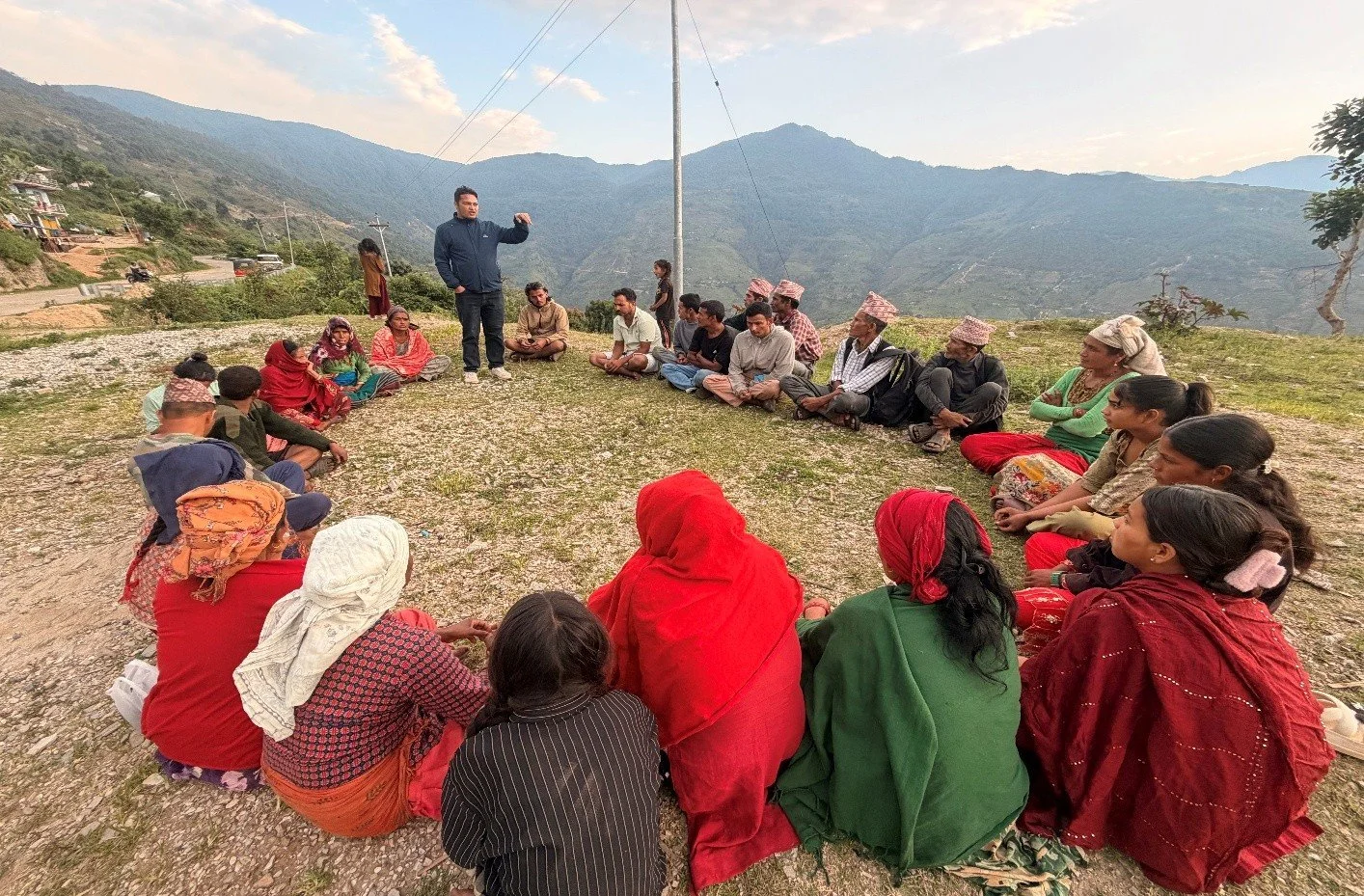
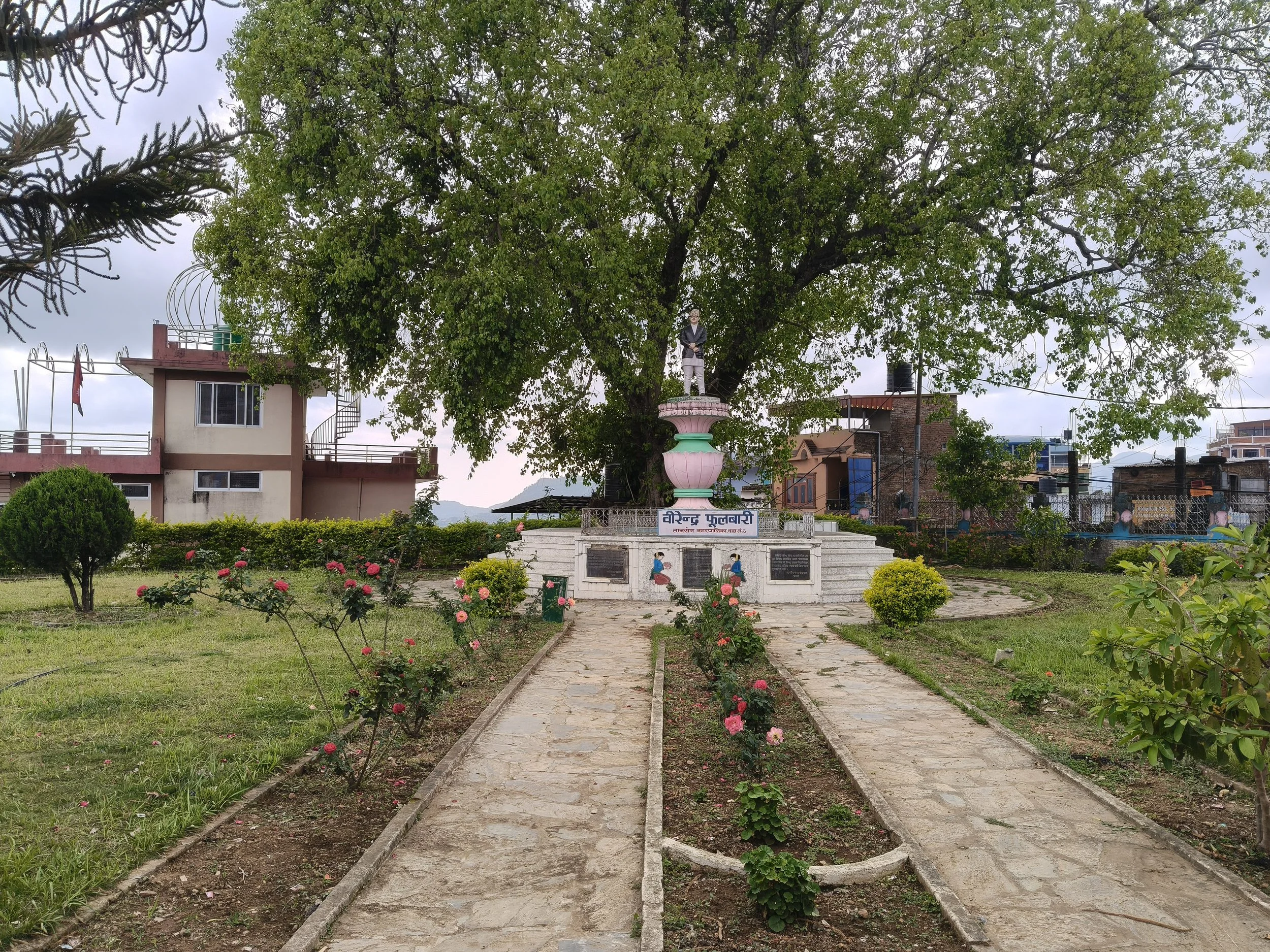
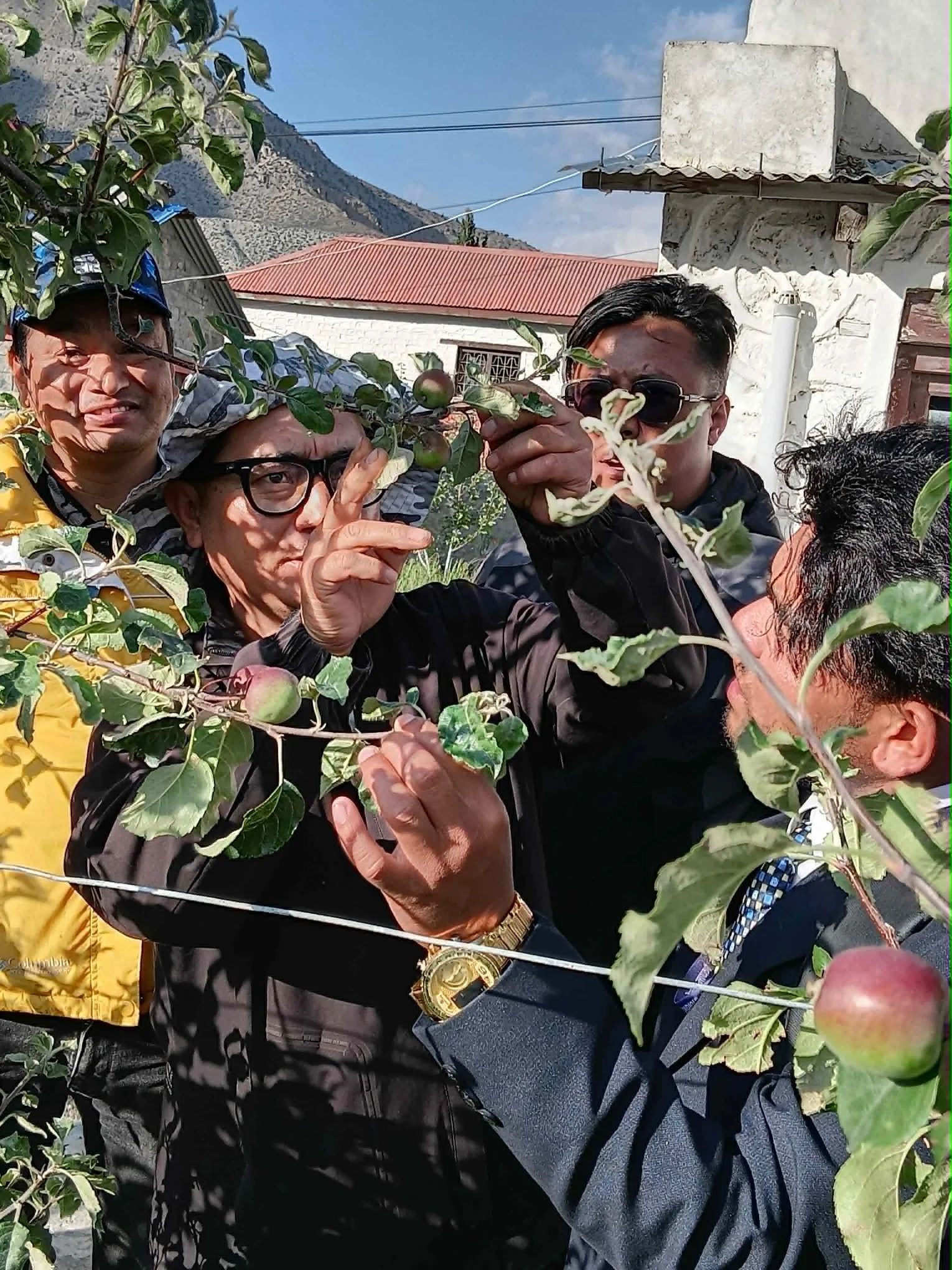
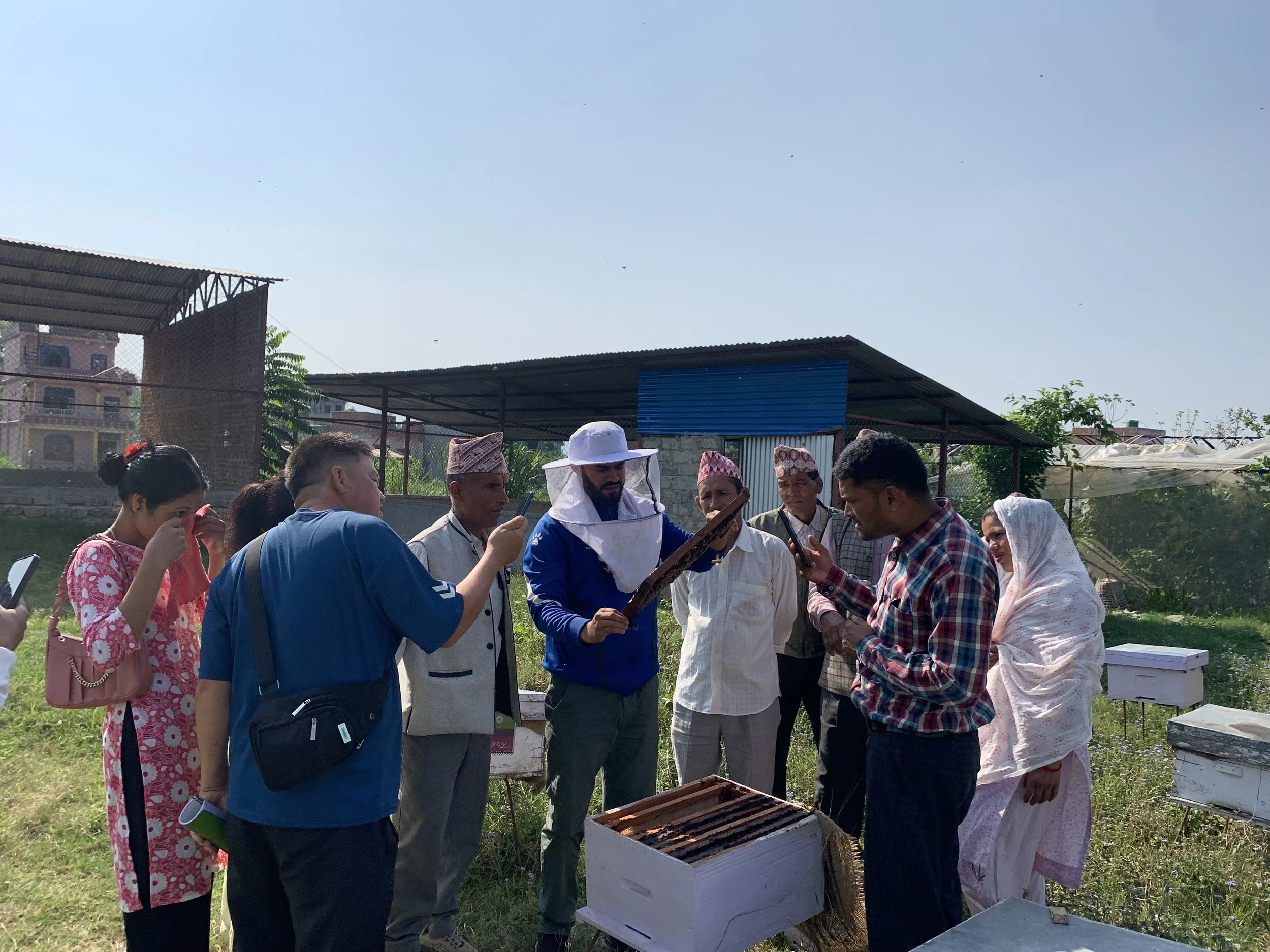
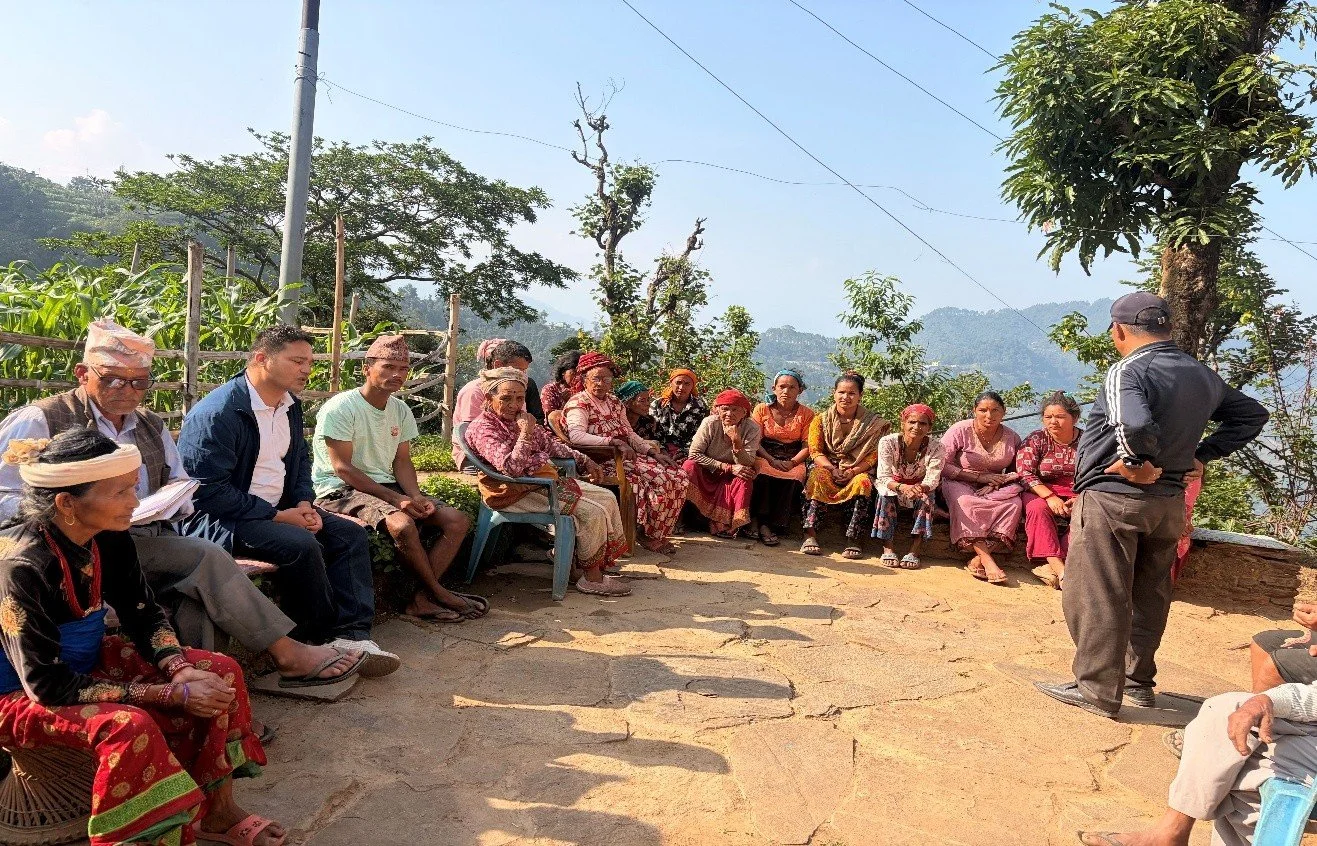
Nepal-based research and development organisation HERD International is working with local communities to create pollinator habitats in nine city parks around the country. The initiative forms part of the Darwin Initiative Nepal Pollination Project, a national programme to raise awareness of pollinators, strengthen research and conservation and bring pollination management into rural farming and urban development. The pollinator project builds on earlier research into the nutritional and economic benefits of pollination for vulnerable rural communities, published in Nature. HERD International has trained more than 5400 lead farmers in pollinator-friendly crop management, bee keeping and agro ecosystem services on pollinator demonstration farms. It is supporting those farmers to share their knowledge with other farmers. Buzzlines International will work with the Nepal Pollination Project to take these lessons into Nepal’s cities.
The Nepal Pollination Project brings together a consortium of partners, funded by the UK government and supported by Bristol University.
Connecting Across the World
Buzzline International brings pollinator projects together to share practical experience and learn from one another. We explore how approaches to habitat creation, pollinator monitoring, community engagement, public awareness and fundraising can be adapted to different local circumstances. Connecting schools, communities and universities across continents creates opportunities to share ideas and experiences and find new ways of supporting pollinators.